Signs of a Psychopath: What Science & News Reveal in 2025

Signs of a Psychopath: What Science & News Reveal in 2025

Psychopathy is one of those terms that triggers strong images of cool, manipulative villains, violent criminals, or people who feel no remorse. But the truth is more complex. Recent research, court cases, and psychological studies show that psychopathy is a spectrum, with traits showing up in many different ways, not always in extremes. Here are some of the clearest signs of psychopathy, plus what new findings are changing how we understand it.


I was first drawn to psychology because of my fascination with psychopathy. In fact, when I started out, I imagined myself working for the FBI as a criminal profiler, chasing the shadows of the worst of the human mind. That interest shaped my career. It’s the reason I spent years working in a mental health hospital and inside a corrections facility, where I saw firsthand how these traits play out beyond textbooks. Even now, in my downtime, I catch myself binging crime shows or listening to true-crime podcasts, still captivated by the complexity of psychopathy.

What Psychopathy Is (and Isn’t)

  • Psychopathy is typically characterized by traits such as callousness, lack of empathy, manipulativeness, boldness, impulsivity, and emotional coldness. These traits are measured using tools like the Hare Psychopathy Checklist (PCL-R) and others. Psychology Today+2Taylor & Francis Online+2
  • It overlaps with, but is not identical to, Antisocial Personality Disorder (ASPD). Not all with ASPD are psychopaths; not all psychopaths break the law. Some manage to live “functional” lives. Psychology Today+1

Recent Stories & Insights

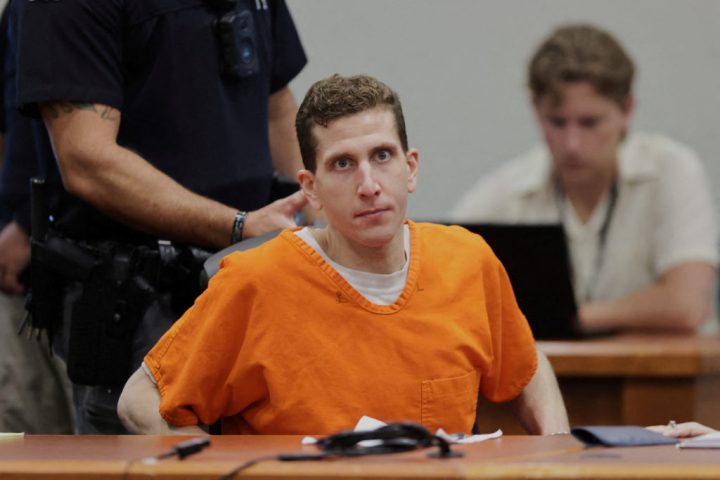
  • A recent story: In the trial of Bryan Kohberger, accused of killing four University of Idaho students, prosecutors were barred (by a judge) from using terms like “psychopath” or “sociopath,” citing that they could prejudice the jury. The decision reflects awareness that these labels carry cultural baggage and can distort how people are perceived before evidence is weighed. The Guardian
  • The “Corporate Psychopath” Conversation: Business media outlets have reignited discussion around leaders who display traits like superficial charm, ruthless decision-making, and lack of empathy. These individuals may not break laws, but their callousness can devastate teams and organizations.
  • Psychologists at UC Berkeley are pushing to update how psychopathic personality is measured, beyond the older checklists from the ‘70s. The new model emphasizes three dimensions: boldness, callousness, and disinhibition. This allows for a more graded understanding. Someone can score high on some traits without being a “textbook psychopath.” Berkeley News+1
  • Another study found people with higher psychopathic traits are less likely to punish injustice when it comes at personal cost. That is, they might see a wrong happening but choose not to intervene if there’s a risk or sacrifice involved. This reveals how moral decision-making can be impaired in subtle ways. PsyPost – Psychology News

Signs That Suggest Psychopathic Traits

Here are some common signs/traits (not a diagnosis) that researchers suggest are associated with psychopathy. If you see a few in someone (or even yourself), it doesn’t mean they’re a psychopath, it just might mean these traits show up more strongly in that person than average.

  1. Lack of Empathy: Difficulty understanding or sharing others’ emotional pain. This can show as dismissiveness or emotional coldness. PMC+1
  2. Superficial Charm: They often come across as charismatic, persuasive, or smooth, but the warmth may feel shallow.
  3. Grandiose Sense of Self: Overconfidence, belief in superiority, entitlement.
  4. Pathological Lying / Manipulation: Lying not just to avoid trouble, but as a habitual strategy to get what they want.
  5. Shallow Emotions: Emotions may be present but fleeting; they may mimic what’s expected without deeply feeling it.
  6. Impulsivity / Irresponsibility: Acting without considering consequences; poor long-term planning.
  7. Lack of Remorse or Guilt: Little or no regret for hurting others or breaking rules.
  8. Need for Stimulation / Boredom Proneness: Getting easily bored, seeking thrills or novelty.
  9. Parasitic Lifestyle: Relying on others financially or socially, exploiting others.
  10. Poor Behavioral Controls: Aggression, irritability, violation of social norms.

Why It’s Important to Be Careful

  • Stigma & Labels: The word “psychopath” is sensational. In legal settings (like Kohberger’s case), using the label early can bias how people are treated. The Guardian
  • Spectrum, Not All-or-Nothing: Research is showing that many people have some psychopathic traits without being “dangerous” or criminal. The newer measurement models help recognize that. Taylor & Francis Online+1
  • Context Matters: Environment, upbringing, neurobiology all play roles. Trauma, neglect, or brain injury can contribute to developing some psychopathic traits. PsyPost – Psychology News+2Psychology Today+2

What to Do If You See These Traits

  • If someone you know has several of these traits and they cause harm (to themselves or others), encourage / help them seek professional evaluation.
  • Don’t assume diagnosis. Traits can overlap with other disorders. A clinician can use validated tools (PCL-R, PPI, etc.).
  • In relationships (work, personal), protect boundaries. Recognize manipulation or deception and assert your needs.
  • For personal self‐reflection: if you recognize some of these traits in yourself, it doesn’t mean you’re “bad” or irredeemable. Traits can be managed, awareness is the first step.

The Grey Areas

One of the most important lessons from both research and recent stories is that psychopathy is not all-or-nothing.

  • High-Functioning Psychopathy: Some individuals score high on traits like boldness and low empathy but channel them into socially acceptable arenas—business, politics, or even entertainment. Media often calls them “ruthless visionaries.”
  • The Everyday Impact: Not every psychopath is violent, but their traits can still corrode trust in workplaces, families, and communities. A co-worker who habitually manipulates or a partner who feels emotionally hollow may not headline the news, but the harm is real.

Final Thoughts

Psychopathy is not just fiction; it’s a real set of personality traits that show up across a spectrum. But much of what people believe comes from movies, sensational headlines, or trial reporting. The real power lies in understanding how these traits work and how they impact not just criminals, but everyday people.

We’re better off when we see psychopathy with clarity, not fear. By recognizing signs, separating myths from facts, and staying grounded, we improve our ability to respond, whether to support others, protect ourselves, or simply understand human behavior a little better.
Locked In: Why More Young People Are Choosing Hyper-Focus + How to Do It in a Healthy Way

Locked In: Why More Young People Are Choosing Hyper-Focus + How to Do It in a Healthy Way

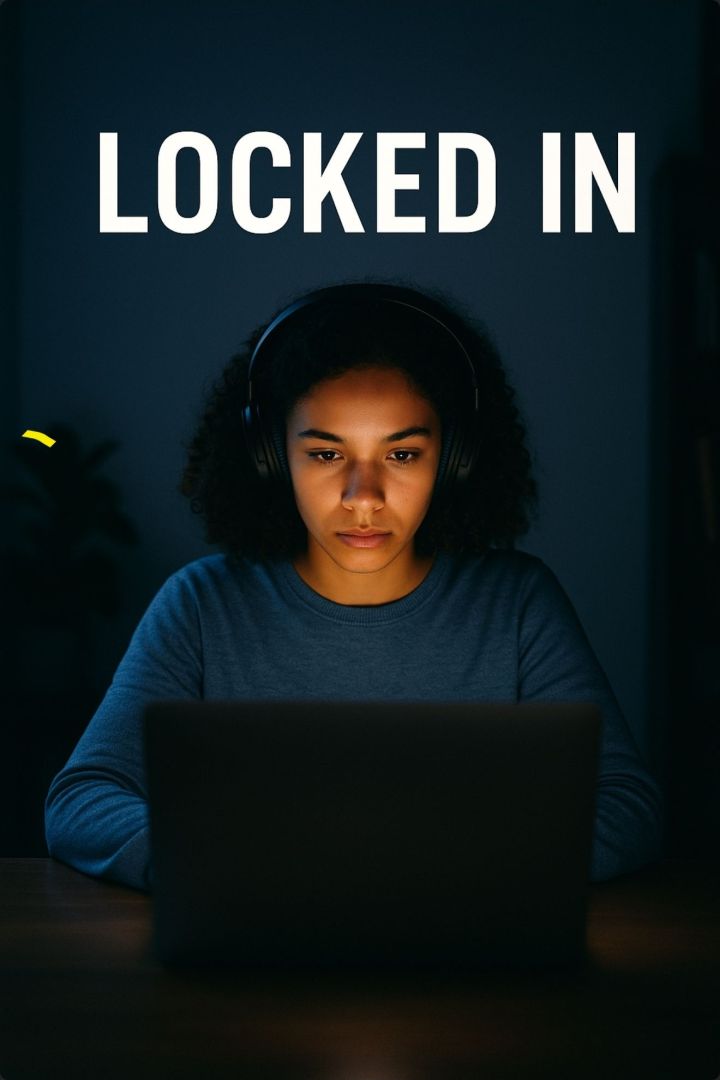
“Locking in” (or being “locked in”) has become one of the buzziest phrases among Gen Z and younger Millennials. It’s about more than just staying busy—it means dedicating yourself to a goal with near-military focus, cutting out distractions, and aligning your habits with what you want to build or become. Newsweek+4Refinery29+4The Guardian+4

If you’ve seen motivational TikToks, to-do list montages, or people deleting apps, resisting social plans, or meal prepping like their future depends on it—it’s probably because they’re trying to lock in. Let’s dig into what’s behind the trend, why it’s appealing, some of its darker sides, and how you can try it out without burning out.

What Is “Locking In”?

  • Origins & evolution: The phrase appeared in gaming and sports circles first. As an athlete and sports fan I have been familiar with the phrase for a very long time. “Locked in” meant being super focused during a match, practice, or competition. Reddit+2The Guardian+2 Over time, it has shifted to broader usage. Goals related to work, fitness, finances, academics. The Times+3Refinery29+3The Guardian+3
  • What people are doing: Routines with structure, early alarms, limiting time on phone or social media, meal preps, working on side hustles, studying harder, investing, saving money, etc. Refinery29+2The Washington Post+2
  • Why now: Part of a shift away from “soft life” aesthetics (rest, comfort, peace) toward “hustle with purpose.” Economic stress, uncertainty, comparisons on social media, and a sense that waiting isn’t enough all feed into it. Refinery29+2The Guardian+2

Why It’s Attractive

Locking in holds appeal because it promises:

  • Agency: When things feel chaotic or out of control, it feels good to take back control, structure, and direction.
  • Motivation & momentum: Having a declared goal, public accountability, and a routine helps build momentum and can make progress visible.
  • Purpose & clarity: It pushes you to clarify priorities, what’s important, what to cut out, what to protect.
  • Feeling ahead: There’s this sense of “if I lock in now, I’ll be better prepared later” which feels satisfying psychologically. Yahoo+1

Risks & Pitfalls

But as with many intense trends or lifestyle shifts, there are trade-offs. Some things to watch out for:

  • Burnout: All discipline and no rest often leads to exhaustion. People may push too hard for too long. Refinery29+2The Guardian+2
  • Rigidity & guilt: When you miss a goal, skip a workout, or need rest, guilt kicks in. The trend can cultivate shame around rest or “off days.”
  • Comparisons & performance pressure: Social media amplifies curated lives; seeing someone else “lock in” all out can make people feel they aren’t doing enough.
  • Loss of balance: Sacrificing relationships, spontaneous joy, relaxation for the sake of productivity can degrade wellbeing in other areas.

How to Use “Locking In” Mindfully

If you want to try this trend without letting it dominate or harm your mental health, here are some suggestions:

  1. Set realistic goals
    Start with smaller, achievable targets. Break big goals into parts. Don’t try to overhaul everything overnight.
  2. Include rest & joy
    Block in time for fun, connection, and rest. Rest isn’t optional; it’s part of sustainable performance.
  3. Make accountability work for you, not against you
    Share goals with someone you trust. But don’t let external judgment become your main driver.
  4. Check in with your why
    Ask: “Why is this goal important to me?” If the answer starts to feel like “because everyone else is doing it” rather than something meaningful, you might need to adjust.
  5. Adapt & adjust
    If something feels toxic, unsustainable, or harming other areas of your life (relationships, health, mental clarity), pivot. Flexibility builds resilience, too.
  6. Celebrate progress
    Mark wins, big or small. The process matters, not just the outcome.

Final Thoughts

“Locking in” can be powerful. It’s a collective reawakening of discipline, purpose, and intentional living, especially in times when distraction is easy, and external pressures are high. But strength doesn’t come from endless structure alone. True resilience comes when we combine focus with meaning, rest, connection, and kindness—for ourselves.

So if you’re thinking about locking in: Go ahead. Just make sure you’re doing so in a way that builds you up, rather than wearing you down. Because locking into life should add life, not subtract from it.

30 Creative Ways to Care for Your Mental Health

30 Creative Ways to Care for Your Mental Health

Resilience isn’t about never breaking. It’s about learning how to piece yourself back together in new and meaningful ways. Sometimes the best medicine for the mind is a spark of creativity. Here are 30 habits you can try, each designed to help you process stress, build confidence, and rediscover joy.


1. Reframe the Story

Instead of “I failed,” try “This was a plot twist that will shape my growth.” Research on cognitive reframing shows it reduces anxiety and fosters resilience.

2. Journal in Metaphors

Describe your day as a storm, a song, or a painting. Metaphors activate creative brain regions, making it easier to process tough emotions.

3. Build a Resilience Playlist

Music therapy studies show that songs tied to positive memory can quickly boost mood. Create a playlist that grounds and uplifts you.

4. Doodle Your Stress

Scribbles, shapes, and sketches can release tension. Neuroscience confirms that drawing reduces cortisol and slows heart rate. You don’t have to be an artist to do this. We are striving for relaxation, not perfection!

5. Take a Wonder Walk

Notice five things you’ve never seen before in a familiar space. This practice sparks awe, which is linked to lower inflammation and greater well-being.

6. Create a Safe Space Corner

A chair, blanket, candle, or plant can become a ritual space for calm. Environmental cues signal the body to shift into rest mode.

7. Write to Your Future Self

Pen a letter from the “you” who already made it through. This technique builds hope and perspective.

8. Turn Pain Into Poetry

Even raw, imperfect lines give language to feelings that otherwise stay trapped. Poetry has been shown to support emotional regulation.

9. Move With Music

Dance or sway freely. Movement plus rhythm lowers stress hormones and stimulates endorphins.

10. Collect Symbols of Strength

Carry a stone, coin, or photo that reminds you of endurance. These small anchors create psychological safety.

11. Sketch Your Problem

Imagine your stress as a cartoon character and exaggerate it. Humor and art reduce its power.

12. Practice Micro-Kindness

Leave a sticky note of encouragement for someone. Altruism improves mood and lowers depression risk.

13. Change Your Scenery

A simple shift: working in sunlight, moving your desk, refreshes perspective and motivation.

14. Use Colors for Emotions

Assign a color to sadness, joy, or anger. Express it through paint, collage, or clothing choice.

15. Tell Your Story Out Loud

Sharing experiences with trusted listeners validates feelings and prevents isolation.

16. Rewrite Your Ending

When painful memories replay, imagine a new outcome where you stand strong. Visualization rewires emotional memory.

17. Plant Something

Watching a seed grow offers proof that small actions create change. Gardening is linked to lower depression and higher life satisfaction.

18. Cook a New Recipe

Trying new flavors engages the senses and builds confidence through mastery.

19. Make a Ritual

Light a candle before journaling, stretch before bed, or sip tea before work. Rituals signal the brain that it’s safe to rest or focus.

20. Visualize a Mentor

Imagine advice from a supportive figure, real or imagined. Guided imagery boosts confidence and decision-making.

21. Sing in the Shower

Singing stimulates the vagus nerve, calming the body’s stress response.

22. Try Mindful Photography

Capture textures, patterns, or shadows. Mindful photography builds presence and reduces ruminative thinking.

23. Write a Gratitude Collage

Collect images or words that remind you what still sustains you. Gratitude practices improve sleep and optimism.

24. Celebrate Small Wins

Draw a star on your calendar or treat yourself when you accomplish a step. This fuels motivation through dopamine release.

25. Ask: “If I Couldn’t Fail…”

Creative problem-solving opens new paths. Research shows this mindset reduces learned helplessness.

26. Use Music as Medicine

Match your playlist to your current mood, then shift gradually upward to influence emotional state.

27. Build a Comfort Toolkit

A box with grounding items such as a journal, tea, photos, affirmations, creates instant support on hard days.

28. Tell Stories With Humor

Laugh with a friend about small struggles. Humor strengthens resilience and social connection.

29. Practice Awe Journaling

Write down one moment of awe each day: the sky, a kind gesture, a child’s laugh. Awe increases humility and well-being.

30. Express Gratitude Creatively

Write a thank-you letter in rhyme or record a voice message. Creative gratitude deepens its impact.