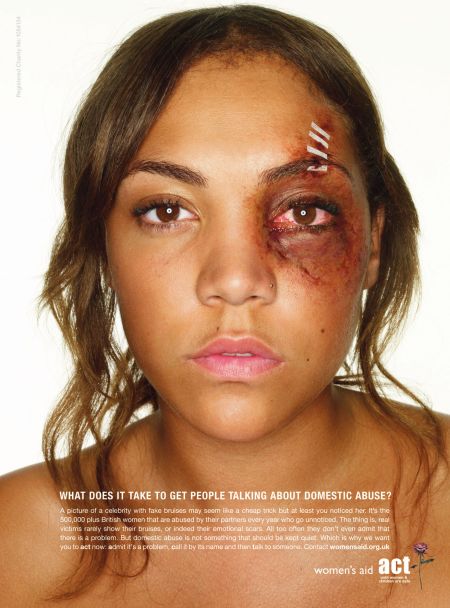
 Working as a counselor in a high school, I am surprised at the amount of abuse many young girls I work with have gone through. Not to mention the sexual, physical and psychological abuse many of them went through growing up, but how much of that has affected them now as teenagers.
A surprising amount of young ladies in high school, and perhaps even in middle school are involved in physically abusive relationships. Having dealt with many of these young ladies, I’ve recognized that many of them believe that if a guy doesn’t hit or get physically rough with them, then “he doesn’t really love me”. This may not make any sense to most people, but a lot of these young ladies have grown up in homes where the people who “love” them, especially the men in their lives, are often the same people who abuse them, so many of these young ladies have subconsciously equated love with violence, manipulation and fear. Also, since many of the people who these women look to for protection, they also equate physical violence with a guys ability to protect them, even if it’s the guy himself they need protecting from.
I’ve had young ladies tell me that they would break up with a guy if he didn’t hit or push her when she got “out of line” because they believed they needed a man who was strong enough to keep them “in line”. They would say, “Sometimes I get get out of control, get a smart mouth and act a fool. I need someone who can put me in my place.” In most cases, these young women grew up in families where men (their fathers’, mother’s boyfriends, uncles, older brothers, etc.) physically, sexually and/or psychologically abused them.
Earlier this year I was walking through the halls of the high school I work at and heard yelling and shouting. I turned the corner and saw a boy attacking a girl. I quickly got between them and he was enraged, evening threatening me, but I didn’t care, I was more concerned about the young lady he was attacking. He quickly told me that it was none of my business and that was his girlfriend. I stayed between them waiting for assistance and then he walked away. I asked the young lady if she was okay, and shew as crying, but said she was okay and she was tired of him hitting on her. I tried to talk to her, but then he yelled for her to come with him and to my surprise she left and went with him. I tried to stop her, and by the time other teachers and security came they had walked off campus. I was so upset with the whole situation that it took me a few days to get it out of my mind. I never got the young lady’s name or I would have called her in and offered her counseling in hopes that with knowledge and empowerment she would leave that unhealthy relationship for a better one.
Also in college I dated a girl who had been physically abused by her father to the point that she was removed from her home. Ever since then and up until we met, every guy she dated physically abused her and I mean beat her like she meant nothing to them, leaving her with bruises and bloodied lips. She never learned how to separate love from abuse once it had forged together in her head.
I find this to be very sad and dangerous and is one of the issues I work extremely hard to correct because these young ladies are putting themselves in extremely dangerous situations that if not corrected will effect them for the rest of their lives along with any children they have. Girls who grow up witnessing violence, even if it is just heard or sensed (through tension, visual cues) are more likely to date guys who will put their hands on them and boys who grow up in that same situation are more likely to think it’s okay to put their hands on women they claim to love.
It’s extremely important that if you are the victim of abuse that you get help. Check out http://www.thehotline.org or any other resources in your area. Look at the Cycle of Violence and the Power of Control wheels below. It doesn’t get better, only repeats and gets worse.


 Licensed Mental Health Counselor