Back to School Blues & Breakthroughs: Helping Kids (and Parents) Adjust with Grace

Back to School Blues & Breakthroughs: Helping Kids (and Parents) Adjust with Grace

As a parent of a very soon to be second and seventh grader, I know that back-to-school season always brings a mix of emotions, excitement, nerves and even dread for both children and their caregivers. Whether your child is starting kindergarten, entering middle school, or stepping into their final year of high school, transitions like these can stir up anxiety, uncertainty, and behavioral shifts. As a parent, it’s easy to focus on school supplies and schedules, but what’s just as important if not more, is preparing their emotional backpack too.

Let’s talk about how to help our kids adjust while keeping ourselves grounded in the process.


1. Normalize the Nerves

One of the most powerful tools we have is validation. If your child says they’re scared or nervous, resist the urge to talk them out of it. Instead, try saying:

“That makes sense. New things/change can feel a little scary sometimes.”

This lets them know they’re not broken for feeling that way and neither are you.

Try this: Share your own memories of being nervous before a school year started. Even a short story can make them feel seen.


2. Create Gentle Routines Early

Summer often brings late bedtimes, inconsistent meals, and a go-with-the-flow rhythm. I for one am embarrassed to admit that my own kids have had more screen time than what is recommended. While flexibility is beautiful, kids feel safer when they can predict what’s coming. Start reinstating routines a week or two before school starts. Sleep schedules, morning habits, and even simple rituals like “quiet time” after dinner can make the transition smoother.

Bonus tip: Let your child help co-create their new routine. Giving them some control builds confidence.


3. Watch for Anxiety in Disguise

Anxiety doesn’t always look like worry. For younger kids, it might show up as:

  • Headaches or stomachaches
  • Irritability or clinginess
  • Avoiding certain topics (like school)
  • Trouble sleeping

For older kids, you might see withdrawal, snapping at siblings, or insisting “I’m fine” when they clearly aren’t.

Support tip: Instead of pushing for answers, try inviting them into small moments of connection. Sometimes a walk, a car ride, or a quiet task like folding laundry opens up more space for them to talk.


4. Create Emotional Check-In Rituals

Try implementing a daily check-in: “Highs and lows of the day” at dinner, or a quick feelings chart in the morning. If your child isn’t verbal, encourage them to draw, pick emojis, or use colors to express how they’re doing.


5. Prepare Yourself, Too

Sometimes, it’s our own anxiety that gets stirred up when school starts. Maybe you worry about how your child will adjust, or feel guilt for not being as present as you’d like. Give yourself permission to name your feelings, too. Our kids don’t need perfection, they need presence.

Grounding prompt for you:

“What does my child actually need from me today, and how can I give that to them in a way that honors both of us?”


6. Back-to-School Toolkit

Here are a few practical tools to keep in your emotional toolkit this season:

  • Breathing exercises: Try “box breathing” together: inhale for 4 seconds, hold for 4 , exhale for 4 , hold for 4.
  • Mantras: Create a morning mantra together. Something like: “I am safe. I am strong. I can ask for help.”
  • Visual schedules: For younger kids, visual charts help them know what’s coming and feel more in control.
  • Reconnection time: After school, try 10 uninterrupted minutes of connection before diving into chores or homework.

Final Thoughts:

Back-to-school season isn’t just about pencils and planners, it’s a major emotional transition. But it can also be a season of growth, resilience, and connection if we approach it with curiosity and compassion. Whether your child is clinging to you at drop-off or giving you one-word answers after school, remember: their behavior is communication. And you’re not alone in figuring it out.

Let’s pack their bags with more than just supplies. Let’s fill them up with reassurance, love, and tools for navigating whatever this school year brings.

If this post resonated with you, feel free to share it with another parent or caregiver. We’re all in this together!

The Psychology of Summer Sadness: Why Some People Feel Low in the Sun

The Psychology of Summer Sadness: Why Some People Feel Low in the Sun

When most people think of seasonal depression, they picture winter: grey skies, cold weather, short days, what’s often known was “The Winter Blues”. But what if you find yourself feeling off when the sun is shining, cookouts are happening, and everyone else seems to be living their best life?

You’re not alone and it’s more common than most people think.


What Is Summer-Onset Seasonal Affective Disorder?

Most of us have heard of Seasonal Affective Disorder (SAD), typically linked to winter. But there’s also a lesser-known subtype called summer-onset SAD, sometimes nicknamed reverse SAD. Instead of feeling low during the darker months, individuals with summer SAD may experience:

  • Irritability
  • Anxiety
  • Restlessness
  • Trouble sleeping
  • Loss of appetite
  • Feeling emotionally disconnected from others

And here’s the thing: they often feel guilty for not enjoying what everyone else seems to be celebrating.


Why Summer Can Trigger Emotional Distress

There’s no single cause, but a few theories offer insight:

  • Disrupted Routines: Summer often means changes in structure. Kids out of school, vacations, longer daylight hours. For some people, especially those managing mental health conditions, lack of routine can feel destabilizing.
  • Sleep Interruption: More sunlight means longer days and for many, less restful sleep. That can throw off mood-regulating chemicals like serotonin and melatonin. Some people are very sensitive to even the slightest off balance of these chemicals.
  • Body Image Pressure: The cultural emphasis on “summer bodies” can trigger shame and self-criticism, particularly for those already struggling with self-esteem. They may feel uncomfortable hitting the pool or the beach if they feel like they don’t have a “beach bod”.
  • Social Comparison: Social media feeds are flooded with vacations, beach days, and barbecues. If you’re dealing with depression, grief, loneliness, or financial hardship, these images can intensify feelings of disconnection. It may appear as if everyone else is out living their best life while you’re not.
  • Heat Sensitivity: Believe it or not, excessive heat can actually impact mood and cognition. Some studies suggest it may exacerbate symptoms of anxiety and depression, especially in those already vulnerable. I live in Florida and during the summer, the heat and humidity on the hottest days can feel suffocating, oppressive and downright disrespectful.

What You Can Do If You’re Feeling Low This Summer

  1. Name It Without Shame
    You don’t have to justify your emotions. Just because it’s sunny outside doesn’t mean you’re obligated to feel good. Naming what you’re experiencing is the first step toward healing.
  2. Stick to a Grounding Routine
    Try to wake, eat, move, and wind down at consistent times, even if your schedule feels “off.” Your nervous system craves rhythm.
  3. Limit the Scroll
    If social media is making you feel worse, take a break. Curate your feed with intention. Mute or unfollow accounts that trigger shame or comparison.
  4. Create Cool Spaces
    Make your home a haven. Keep your bedroom cool and dark at night, take cool showers, and find shade when outside. A comfortable body helps support a regulated mind.
  5. Talk to a Therapist
    You don’t need to wait for things to get worse. If you notice a pattern of seasonal sadness or just feel like you’re carrying more than you can manage, reaching out for support is a powerful act of self-care.

You’re Not Broken, You’re Human

If you feel low during the summer months, it doesn’t mean you’re broken or ungrateful, it means you’re real. Emotions don’t always follow the weather. And healing doesn’t happen on a seasonal schedule.

Let this post be your permission slip to honor your inner climate, no matter what’s happening outside.


Bonus Resource:

Want help creating a simple, supportive summer routine?
Check out my free Summer Mood Tracker and Daily Grounding Checklist .


Behind the Masks: How Immigration Crackdowns Shatter Mental Well-Being

Behind the Masks: How Immigration Crackdowns Shatter Mental Well-Being

Across the country, images of ICE agents detaining families flash across our screens and the images of protests in cities like Los Angeles and Baltimore echo through city streets. I’m not here to get into politics or views on immigration reform. I’m here to discuss one critical story that remains hidden: the quiet, unseen impact of immigration enforcement on mental health.

While political debates rage on and policies tighten, countless immigrants, documented and undocumented alike, live in a state of chronic stress. For many, every knock on the door triggers a spike in heart rate. Every siren in the distance evokes a rush of panic. Children go to school wondering if their parents will still be home when they return. Adults skip medical appointments out of fear. Entire communities fall silent.

This isn’t just fear. It’s trauma.

Clinically, we know that chronic anxiety, hypervigilance, and a lack of safety are precursors to more serious mental health issues like generalized anxiety disorder, panic disorder, PTSD, and even somatic symptoms like chronic pain and gastrointestinal distress. The emotional toll doesn’t just affect the individuals targeted by enforcement, it ripples outward, impacting families, classrooms, and entire neighborhoods.

I work in a level one trauma center and have seen first hand the ear on immigrant patient faces that instead of living the hospital better, they will leave in handcuffs or zip tied on their way to a deportation facility. I know someone in the process of getting his green card who works at a prestigious company, but is so anxious that he or someone in his family will be deported that he temporarily stopped driving his car to limit the risk of him being stopped by law enforcement and possibly detained. As much as he loves America, he has considered moving to Canada for his own mental health. I know other professionals, some who are even citizens, but are so disturbed by the way immigration is being enforced that they are actively looking into leaving the country.

For mental health professionals, the challenge becomes how to provide support in a context where clients may not feel safe enough to seek help. Therapists working with immigrant populations often have to do more than just offer counseling; they become advocates, educators, and sometimes the only place where someone feels human again.

You don’t have to protest to make a difference. So what can we do?

First, we must listen. We must create safe spaces where individuals feel seen and heard without judgment or risk. Second, we must acknowledge that systemic stress is a real form of trauma. And third, we must advocate. Mental health care must be part of the conversation in immigration reform.

This is more than just a news headline. Lives are getting ripped apart when they are just trying to survive, to raise their family, and to breathe without fear.

We see the images. We hear the stories. Not the ones of the criminals who don’t deserve to be here, but the ones of the families just want to have the opportunity to make it in America. For them, we need to address the silent suffering, and provide support that’s not just reactive, but proactive.

Mental health is a human right. And no one, regardless of status, should be left behind.

Grappling with PTSD: How Jiu Jitsu Can Aid Trauma Recovery

Grappling with PTSD: How Jiu Jitsu Can Aid Trauma Recovery

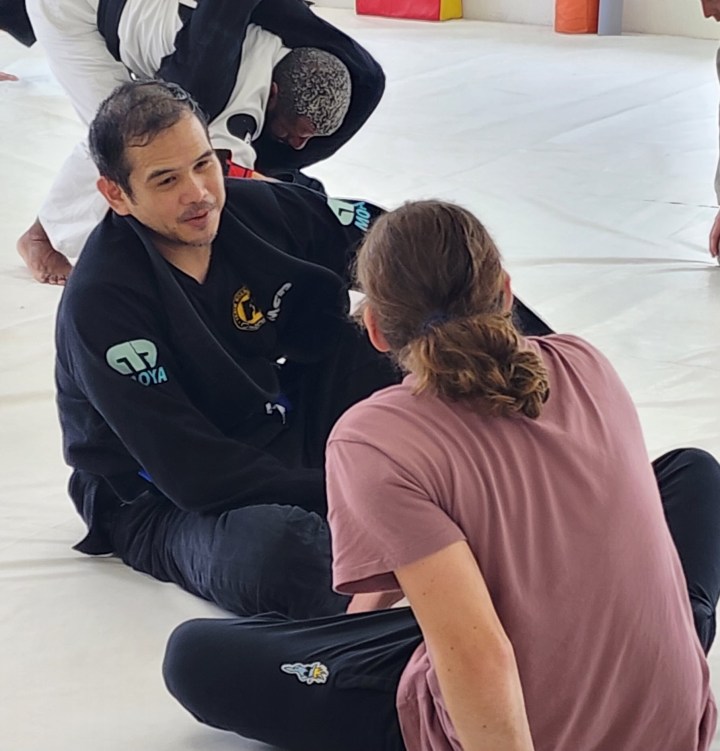
Not too long ago I read a great book called “Transforming Trauma with Jiu-Jitsu” (I will link it at the end of this post). This book validated what I had already started to understand and that is that Jiu-Jitsu can help many people who struggle with various traumas.

This was only verified by the conversations I had on the mats with students who took up Jiu-Jitsu after being sexually assaulted, physically assaulted or were struggling to transition back into civilian life after years in the military.

Post-traumatic stress disorder (PTSD) is a debilitating mental health condition triggered by experiencing or witnessing a terrifying event. Symptoms may include flashbacks, nightmares, severe anxiety, and uncontrollable thoughts about the event. These symptoms are intense, long-lasting, and can significantly interfere with a person’s life. While the path to healing from trauma can be a long and challenging one, Brazilian Jiu Jitsu (BJJ) offers potential benefits that can assist in this journey.

The Neurobiology of PTSD

To understand how Jiu Jitsu can help in trauma recovery, it’s essential to first grasp the basic neurobiology of PTSD. Traumatic experiences can alter brain structure and function, particularly areas like the amygdala, prefrontal cortex, and hippocampus, which are involved in fear responses and memory. This alteration can result in the individual being in a constant state of “fight or flight,” even when there’s no immediate danger.

The Power of the Body in Trauma Recovery

Trauma-focused therapies like Eye Movement Desensitization and Reprocessing (EMDR) and Cognitive Processing Therapy (CPT) are often used in PTSD treatment. However, there’s growing recognition of the role that body-based therapies can play in trauma recovery. This is where Jiu Jitsu enters the picture.

The ‘Roll’ of Jiu Jitsu in Trauma Recovery

Brazilian Jiu Jitsu, with its combination of physical exertion, tactical strategy, and mindfulness, offers a unique approach to trauma recovery. Here’s how:

1. Restoring a Sense of Control

A sense of powerlessness is a common feeling in those with PTSD. Jiu Jitsu, by nature, is about gaining control – control over your body, your movements, and eventually, your opponent. By regularly practicing these maneuvers, an individual can regain a sense of control that extends beyond the mat, helping to counter the feelings of helplessness that trauma often induces.

2. Physical Exertion and Neurochemistry

Physical activity is known to stimulate the production of endorphins, neurotransmitters that act as natural mood elevators. Beyond the ‘feel-good’ factor, regular exercise can promote neurogenesis (creation of new neurons) and neural plasticity (the brain’s ability to reorganize itself by forming new neural connections). This can help counter some of the brain changes induced by trauma.

3. Mindfulness in Motion

Mindfulness, or being completely present in the moment, is a powerful tool for managing PTSD symptoms. Jiu Jitsu, with its requirement for focused attention on the body and its movements, acts as a form of moving mindfulness. This mindful state can provide temporary respite from intrusive thoughts and flashbacks.

4. Creating a Safe Space

Safety – physical, emotional, and psychological – is often compromised in individuals with PTSD. The respectful, disciplined environment of a Jiu Jitsu dojo can provide a sense of safety. Moreover, as the individual becomes more proficient in their skills, they develop a realistic sense of their physical capabilities, further enhancing feelings of safety and security.

5. The Power of a Supportive Community

Human connection and a supportive community are vital components of trauma recovery. A Jiu Jitsu dojo offers a supportive network of individuals working towards common goals. This camaraderie can help mitigate feelings of isolation that often accompany PTSD.

Jiu Jitsu: A Tool, Not a Cure

While the benefits of Jiu Jitsu for trauma survivors are promising, it’s important to remember that it isn’t a stand-alone treatment for PTSD. It should be used as a complementary approach, alongside traditional therapeutic interventions.

Moreover, the practice of Jiu Jitsu should be trauma-informed, meaning the instructors should be aware of the potential triggers and issues that trauma survivors might face. There should be a strong emphasis on consent, respect, and ensuring a safe training environment.

Brazilian Jiu Jitsu, with its unique combination of physical, cognitive, and social elements, offers a compelling approach to body-based trauma recovery. But it’s more than just a recovery tool; it’s a journey towards self-improvement, self-awareness, and perhaps, healing. In the end, it’s not just about the techniques you learn, but the person you become in the process. As Carlos Gracie Sr., one of the founders of Brazilian Jiu Jitsu, once said, “We cannot control the wind, but we can direct the sail.” With its potential benefits for trauma recovery, Jiu Jitsu might just help those grappling with PTSD direct their sails towards calmer waters.

Mental Health Struggles After a Hurricane

Mental Health Struggles After a Hurricane

I live in “The Sunshine State”, but unfortunately, it’s not always sunny herein Florida especially during hurricane season. Just last week many Floridians, including myself, were affected by hurricane Ian. While my house in suffered no damage other than to the fence and being out of power for three days, many others faired far worse. Many people lost their homes to the winds and floods. Sadly, many people also lost their lives. At the time of this writing, 103 people in Florida had died from the storm and recovery efforts are still ongoing. I work at a level 3 trauma hospital and have seen patients with injuries indirectly related to the storm such as burn injuries related to generator fires and electrocutions caused by down power lines. Being in a major storm can be terrifying and even after the storm has passed, it’s effects can still linger not just with the damage to the community, but mentally with those who survived.

For many, such natural disasters can trigger a continuing sense of anxiety and depression or worsen long-simmering mental illnesses, mental health experts say. The effects, if left untreated, can linger for years.

Going through a natural disaster like a hurricane can be very traumatic. Thousands of people had to evacuate their homes, and some had no home to return to, losing all of their possessions and some even their businesses and jobs in the process. In Orange County where I live, schools were closed for several days, and one elementary school is damaged so badly because flooding that those kids are now being taught at a high school. Imagine how traumatizing that is for elementary age kids to suddenly lose their school and have to adjust to a whole new environment that no one could have prepared them for. While children are known for being resilient, I have no doubt that many of them will need additional emotional support at this time.

Often people who suffer from a mental health issue will have a worsening of symptoms especially because they tend to lack adequate coping skills as it is. Even those who don’t suffer from mental health issues may find themselves struggling weeks to months later when they realize how difficult it may be to rebuild, the financial toll the storm has taken on them or anxiety whenever another storm may be headed their way. Once power got restored at my house I had to go through my refrigerator and freezer and throw away almost everything which in itself could cause someone on a limited income anxiety and depression as that food has to be replaced somehow. Luckily there are government assisted programs like FEMA that are offering aid to those in need.

Here are some tips for coping with natural disasters like hurricanes from The Anxiety and Depression Association of America:

  • Create a plan: Being prepared can help reduce anxiety before, during and after a big storm. Make a plan to evacuate and put together preparedness kits.
  • Be informed: Keep a close eye on weather information and warnings. That may help you gain a sense of control over the situation.
  • Talk it out: Don’t be afraid to talk about your fears with family members, friends, a counselor, or others who can offer emotional support.
  • Accept what you can’t control: Nobody can control the path of a storm or its damage. Excessive worry will not change anything except your emotional well-being.

Some people may need to stay away from watching too much news coverage of the storm as it can be upsetting. Trying to get back to your normal daily activities as soon as possible can be helpful as well as exercising, sleeping and eating right. It’s really hard to manage your mental health when you’re mentally and physically exhausted.

If you can, after the disasters has passed, consider doing something that may make you feel good such as donating food, money or your time. If, however, you feel extremely overwhelmed, depressed and your symptoms don’t improve in a few weeks, it may be time to seek professional help.

Often people think after a storm or natural disaster only about the clean-up and rebuilding, but it’s important that we don’t neglect the survivor’s mental health.

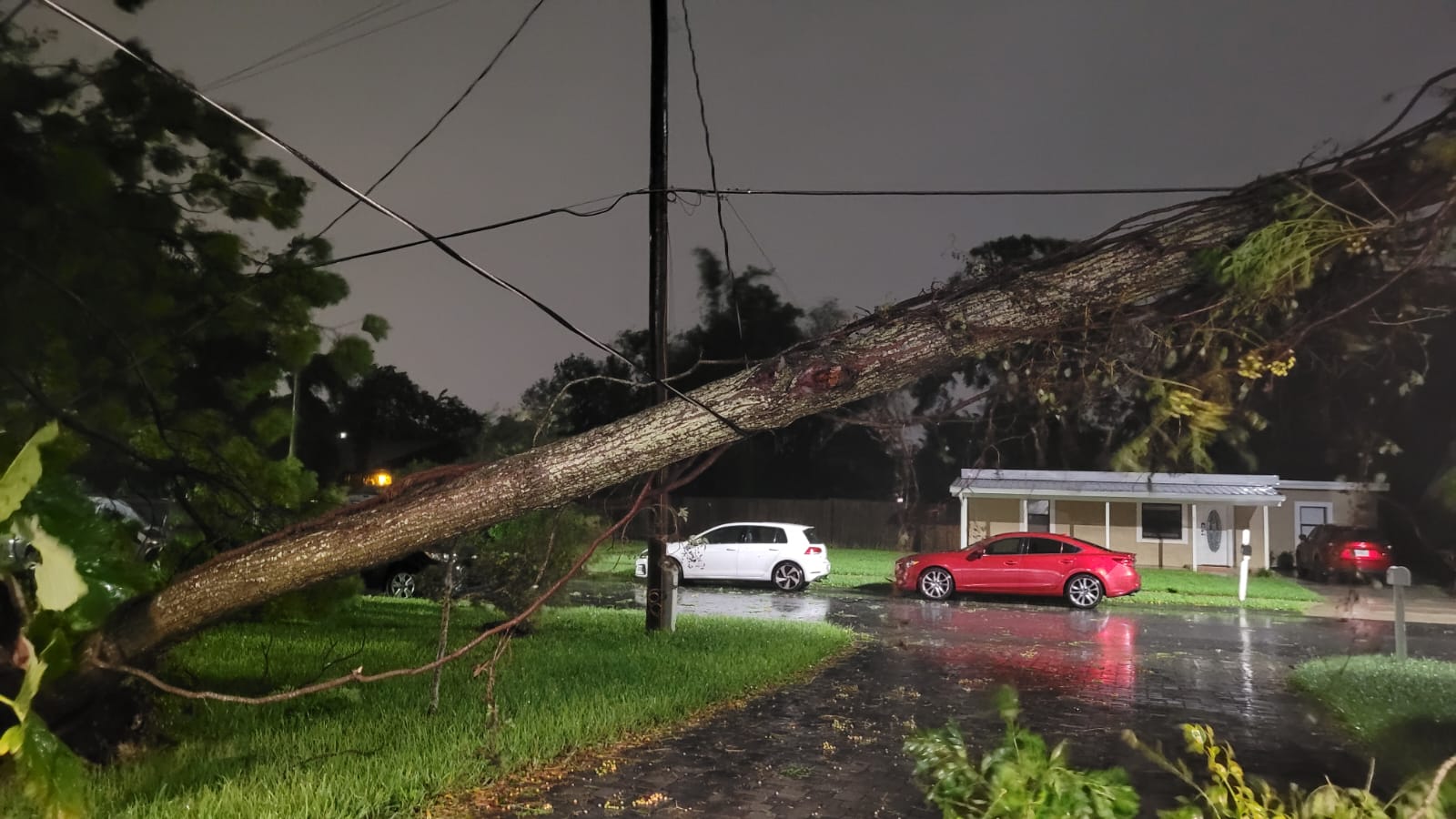
I’ve attached some personal pictures to show just some of the damage Ian caused across central Florida. Things are much worse in certain areas, especially where the storm made landfall.

View from my old house in Orlando the day after Ian passed through.
The view from a friend’s house

A picture a friend of mine who is a fire fighter sent me while rescuing people from flooded houses the day after hurricane Ian
The food from my refrigerator and freezer that had to be thrown away due to not having power for over three days

Avoidant Personality Disorder

Avoidant Personality Disorder

Recently I had an opportunity to interview a young man who has been diagnosed with avoidant personality disorder (AvPD). AvPD is a personality disorder where the person suffers from high social anxiety and fear of intimacy despite also desiring social interaction and intimacy in most cases.

The person often feel as if they are being judged or ridiculed by others and feel unattractive, uncomfortable, or inept in social interactions.  They are usually extremely sensitive to the opinions of others and fear rejection and being judge negatively. To cope they usually withdraw from social interactions as much as possible which while it may help them successfully avoid the things they fear, it also often leaves them feeling more socially inept, lonely, anxious and depressed.

Avoidant personality disorder often results when a child has been rejected by one or both parents or his or her peer group, but it can also be caused by other factors such as a history of abuse and/or neglect.

People with avoidant personality disorder often only socialize with others they feel assured will not reject them. A very small number of people (often only one or two) will usually have gained their trust enough for them to feel confident and secure in their relationship with them.

They often look down upon themselves, minimizing their positive traits while inflating whatever flaws they perceive themselves as having. The person I interviewed is a serial “ghoster”. He would attempt to make friends and do so successfully, just to end up ghosting them. He told me that the fear of pain of what he saw was the inevitable (his friends rejection or abandoning him), was so strong that he would reject them before they had a chance to reject him. He isolated himself. He doesn’t have any current friends, but he does have a longtime girlfriend who is the one person he is closes to. He purposely chose a job where he works from home and has to deal with other people rarely. He has tried in the past to be more social. He went to college, but dropped out because the stress of having to interact with others was unbearable. He eventually went back and completed an online program. He has also often thought about suicide because he often fells anxious, lonely and undesirable and reports that it is a constant battle. He is in ongoing therapy to help keep him grounded.

Is Social Anxiety and Avoidant Personality Disorder the Same?

Avoidant personality disorder shares some of the same characteristics of social anxiety, but is less common. People with AvPD tend to have more severe symptoms of anxiety and depression than people with social anxiety. Also, people with social anxiety tend to fear the social circumstances (i.e., being at a party with a bunch of people judging how they look, act, etc.) while AvPD is more an aversion to intimacy in relationships.

How is Avoidant Personality Disorder Diagnosed?

The Diagnostic and Statistical Manual of Mental Disorders (DSM) of the American Psychiatric Association has a diagnostic code for avoidant personality disorder diagnosis (301.82) and describes it as a widespread pattern of inhibition around people, feeling inadequate and being very sensitive to negative evaluation. Symptoms begin by early adulthood and occur in a range of situations.

Four of the following seven symptoms have to be present to make a diagnosis of AvPD.

  • Avoids occupational activities that involve significant interpersonal contact, because of fears of criticism, disapproval, or rejection
  • is unwilling to get involved with people unless certain of being liked
  • shows restraint within intimate relationships because of the fear of being shamed or ridiculed
  • is preoccupied with being criticized or rejected in social situations
  • is inhibited in new interpersonal situations because of feelings of inadequacy
  • views self as socially inept, personally unappealing, or inferior to others
  • is unusually reluctant to take personal risk or to engage in any new activities because they may prove embarrassing

Treatments

Some of the treatments for avoidant personality disorder include cognitive therapy, social kills training, group therapy and drug treatments. As I said earlier, this particular young man is actively in therapy with a psychotherapist. He still prefers to isolate himself even making it a point to let me know that the only reason he felt comfortable opening up to me about his experience with AvPD was because he knew he would never talk to me again.

Post Pandemic Mental Health Struggles

Post Pandemic Mental Health Struggles

Over the last year we have all been through collective trauma dealing with the global pandemic.

Many of us went through stressful moments with the lockdown bringing isolation for some, loss of income for others and increased anxiety, depression and substance use for others. Some of us have gotten sick or even worse, lost friends, family members or coworkers.

Now that there are vaccinations and restrictions are starting to lift in certain areas, you may think that everyone is feeling better, a sense of relief or hope, but that is simply not true for some individuals.

A lot of people are ecstatic about being able to gather with their family and friends without masks. Those who were working from home are excited about going back into the office and socializing face to face with their coworkers. Those who were feeling down or anxious are starting to feel their mood brighten, but for some , they are still struggling with the affects of this collective trauma. They may still be feeling down or anxious and some have reason to be. Just this weekend I was talking to a friend who had recently attended the funeral of his uncle who died from the virus a week prior. He, understandably still has some anxiety about the world reopening although he himself is vaccinated.

Healing from this collective trauma will take more time for some people and what will help is being in tune with ourselves and focusing on what we can control versus what we can’t. We have to find out what works for us to ease our anxiety and make us feel better.

For some people that may mean having a digital detox, limiting how much news they intake, exercising or focusing on better sleep hygiene.

It’s Okay to Say That You’re Not Okay

Over the weekend I had a long conservation with someone I go to the gym with about his struggles with mental illness, depression and even suicidal thoughts. We talked about how he joined the gym as soon as it reopened as a way to cope with some of the depression and negative thoughts he had been battling since before the pandemic, but had grown even more so during the pandemic.

Halfway through our conversation he told me that it felt good to have someone to talk to without feeling like he was being judged. Although I was glad to be there for him, I felt sad that he felt like he didn’t have anyone else he could open up to.

Nowadays there is so much assess to mental health help and actionable information through things like Google’s self-assessments, that it is my hope that everyone who needs help will assess it and realize that they are not alone.

A lot of people who were anxious, lonely or depressed before the pandemic, grew more anxious, lonely or depressed during the pandemic and will continue to have those uneasy feelings and thoughts even when the people and world around them returns to normalcy.

It’s important that we look out for our family members and friends who may not be as excited or comfortable with the transition out of the pandemic. For some of them, a return to normality is a return to battling their mental health issues.

Tips To Fighting Depression While Social Isolating

Tips To Fighting Depression While Social Isolating

This morning I was speaking with a coworker who shared how she was starting to feel depressed with the quarantine and social distancing most of us are experiencing. She stated, “There’s only so much texting and talking on the phone you can do.” A lot of us are feeling that way and as this crisis goes on for (hopefully only) a few more weeks, it can become more and more depressing and anxiety provoking.

To combat becoming depressed and anxious during this time, here are seven of my favorite tips.

Take Care of Your Body

It’s easy to lose focus of our bodies with all the gyms closed and us being forced to stay inside, but working out, eating healthy and getting rest is one of the best ways to keep us both mentally and physically healthy. Your workout can be a simple walk around the block or taking advantage of a multitude of easy workout apps just to keep your body moving and endorphins flowing.

Limit News Intake

We all want to stay informed, but it’s too easy to become overwhelmed with the 24/7 news coverage and nearly hourly breaking news interruptions. I even find myself watching hours of local and national news and have to remind myself to take a break. For people who are prone to depression and anxiety, too much media intake will only make it worse. Stay informed, but limit yourself to how much coverage you follow.

 Create a Routine

Many of us are working from home or perhaps even laid off. It’s easy to stay in bed all day or sit in front of the television for hours. Having a routine helps to break us out of that. We can even create a to-do list of all the things we’d like to accomplish that day. For some us struggling with anxiety and depression, it may be as simple as waking up before noon, taking a shower and eating something healthy.

Don’t Work Too Hard

For those of us who are working from home, it may become easier to just focus on work and even work more than we would if we were actually in a physical building. This can lead to burnout. Try to keep the same schedule and hours you wold have at work, even if you’re at home. Take your lunch breaks and start and stop work as you usually would.

Reach Out To Others

We may not be able to visit friends or go to Starbucks with our best friend right now, but we can still take advantage of the various ways we can still communicate such as the telephone, text, Skype, Zoom, and Face Time. The list goes on and on. Reaching out to others helps us remember that we’re not alone in this even if we may feel like it.

Fight Boredom

Being bored can make everything feel worse than it is. Now is the time to catch up on a series on Netflix you’ve always wanted to watch, finish that 1,000 piece puzzle or challenge yourself in any other way you can think of. I personally am using this time to catch up on some reading and a little bit of Netflix too.

Be Positive

Tony Robbins, one of my favorite motivational speakers often says, “Trade your expectations, for appreciation”. No one wants to go through what we are going through, but we can still find something positive in this moment. It could be getting closer through messaging with a friend we hadn’t spoken to in years or spending more time with our family.

A friend of mine who was laid off used his newly found free time to fix up a boat that had been neglected and sent me a photo of him and his dog out on the lake enjoying the sunset! He could be really sad right now focusing on being laid off, but instead he’s being positive and embracing the insanity. It’s easy to focus on the negative, but finding small things to appreciate will help us get through this.

Remember This Is Temporary

Thankful, like all crisis and disasters, this will come to an end. If we focus on how long it’s been or how much longer it will be, each day will drag by. Take it one day at a time. Focus on today and what’s good about today. We’ll worry about tomorrow when it comes.

Declutter To Improve Your Mental Health

Declutter To Improve Your Mental Health

Recently I observed a client’s home that was very cluttered, unorganized and messy. It wasn’t filthy, meaning it wasn’t something you’d see on an episode of Hoarders, but it definitely was chaotic. I also noticed that the two small children in the house appeared to run amok, the wife was frustrated and tense and the husband appeared overwhelmed and mentally checked out.

I suggested, as an experiment, that the couple clean up their home, get rid of toys and other items no longer in use and focus on making their house much more simplified and organized. I urged them to try this for a week, not allowing things to get out of hand once the house was clean so that cleaning in itself wouldn’t become another stress inducing task. What we found out during that week was almost a night and day difference.

The children, while still children and occasionally rough housing and dragging toys from one room to the other, weren’t nearly as hyper or overly stimulated as they had been. They appeared much calmer and threw less tantrums.

The mother also appeared happier, less stressed and admitted to spending more time around her kids and husband in the family room (because it was clean) instead of isolating herself in the bedroom.  The father was also more engaging with the family and more present.

The house was much calmer, quieter and in terms of energy, appeared lighter. The entire family appeared happier, less stress and less out of control and the parents vowed to attempt to continue living their lives in this more organized, decluttered state.

How Clutter Affects Your Mental Health

Clutter in itself can cause stress and be a symptom of feeling stressed or poor mental health. Cluttered environments are often a sign of cluttered minds. Also, when you are surrounded by clutter, you can start to feel overwhelmed, anxious, agitated, crowded and tense. Sometimes to the point where you feel like giving up on even attempting to get organized so you let the chaos build on itself or check out mentally.

This clutter not only affects you, but it can affect those around you such as your partner, your children, your friends and coworkers. Think about it. If you never invite people over to your house because you’re embarrassed, if neighbors are complaining about the junk in your yard or you can’t find that report you were working on because it’s lost among a thousand other papers, clutter is probably affecting you more than you realize it.

This doesn’t mean that you are a hoarder on a clinical level, but our physical space and how we choose to live in it is usually a reflection of who we are on the inside and too much clutter can be a sign of a lack of control and can worsen our mental health.

Where do you start

Judih Kolberg, chief organizer at FileHeads Professional Organizers suggest playing what she calls the “Friends, Acquaintances and Strangers Game”.

“As you go through your closets, drawers and big old storage containers, immediately get rid of the ‘strangers’, those items you definitely don’t want and, in some cases, might not even recognize. Donate ‘acquaintances’, useful items that just aren’t your favorites and are never used, to a thrift shop, and keep the true ‘friends’, the favorites you can’t live without”.

My advice is to start small. One room at a time, one drawer at a time and one item at a time. Solicit friends and family for help if you have to and in the end, don’t feel like you have to give up anything you really, truly don’t want to give up. Somethings have emotional value to us, even if they don’t to anyone else.

In the end, try to only keep things that bring positivity and joy into your life. Get rid of anything that brings no value or worse, negativity.

Clearing your space will definitely help clear your mind and improve your overall mental health.

I’m Good Bro

I’m Good Bro

Like most people, there have been times in my life where I was really down, even depressed. Things in my life just weren’t going the way I wanted them to go and most often for me, that boiled down to my love life. I remember one time in particular when I was going through a break up and was battling anxiety and depression to the point where I couldn’t concentrate on much nor could I eat or sleep at all. It felt like that pain would never go away and I just continued to isolate myself and ruminate on my problems. Finally, my best friend called me and asked me if I was okay. My response was, “I’m good bro.” I’m good bro? Why did I say that when I clearly wasn’t good. As a matter of fact, at that point in time I was at one of the lowest points in my life. I had lost several pounds from not eating, laid in bed praying for sleep to take the pain away, but the anxiety made my body tremor like I had the chills.

I was in pretty bad shape, yet my response was, “I’m good bro”. Even then I wondered to myself, why didn’t I just tell him what was going on with me? The answer was because I didn’t want to appear weak. I didn’t want to appear emasculated. I didn’t want anyone, especially another man to know that I was depressed, especially over a relationship. I felt shame in that. That shame kept me from asking for help. It kept me from talking about my thoughts and feelings. It nearly killed me.

From my experience, depression has a way of sneaking in, unassuming and nonthreatening. It has a way of making you feel comfortable with it, almost like a good friend or warm blanket, until it starts to suffocate you. Only then do most people realize that they are in danger and need help.

Sadly, too many people realize it too late and pay the ultimate price. Still as I was getting suffocated by depression, I muttered the words, “I’m good bro”, and effectively rejected any help my friend could have offered. As a mental health professional, what I have learned over the years is that most men who suffer from anxiety, depression and stress will also respond “I’m good bro” when they really aren’t. Men don’t like to talk about their feelings and are slow to ask for help.

For many men suffering from depression, anxiety or stress, it takes thoughts of suicide to compel them to reach out for help which usually means they have been suffering alone for quite a while. And that’s if they even reach out. While these men are suffering and attempting to “hold it together”, their suffering not only has negative affects on them, but also on their work performance, parenting ability and relationships in general.

Men like to think of depression and anxiety as problems women have, but men and women both suffer from these common problems. Men commit suicide at a much higher rate than women do. Stress, anxiety and depression may look different in men than it does in women as men tend to isolate themselves more, become less motivated and may show anger and hostility instead of shedding tears.

Some of the biggest causes of anxiety and depression in a men’s life are work, finances and health problems. The reasons men don’t talk about their mental health According to one study are:

• ‘I’ve learnt to deal with it’ (40%)

• ‘I don’t wish to be a burden to anyone’ (36%)

• ‘I’m too embarrassed’ (29%)

• ‘There’s negative stigma around this type of thing’ (20%)

• ‘I don’t want to admit I need support’ (17%)

• ‘I don’t want to appear weak’ (16%)

• ‘I have no one to talk to’ (14%)

Some of the issues surrounding getting men help is that men tend to prefer quick fixes while women prefer to talk about their feelings. While men definitely benefit from talk therapy, if talking appears to be the goal of therapy, men are less likely to want to start or continue therapy.

When men do want to talk about their feelings, most report that they would prefer to talk to their romantic partner, but not everyone has a romantic partner and even those who do may be uncomfortable feeling vulnerable.

In order for us to get more men to seek help, it’s important that we normalize men’s anxiety and depression so that there’s not so much stigma surrounding a man asking for help.