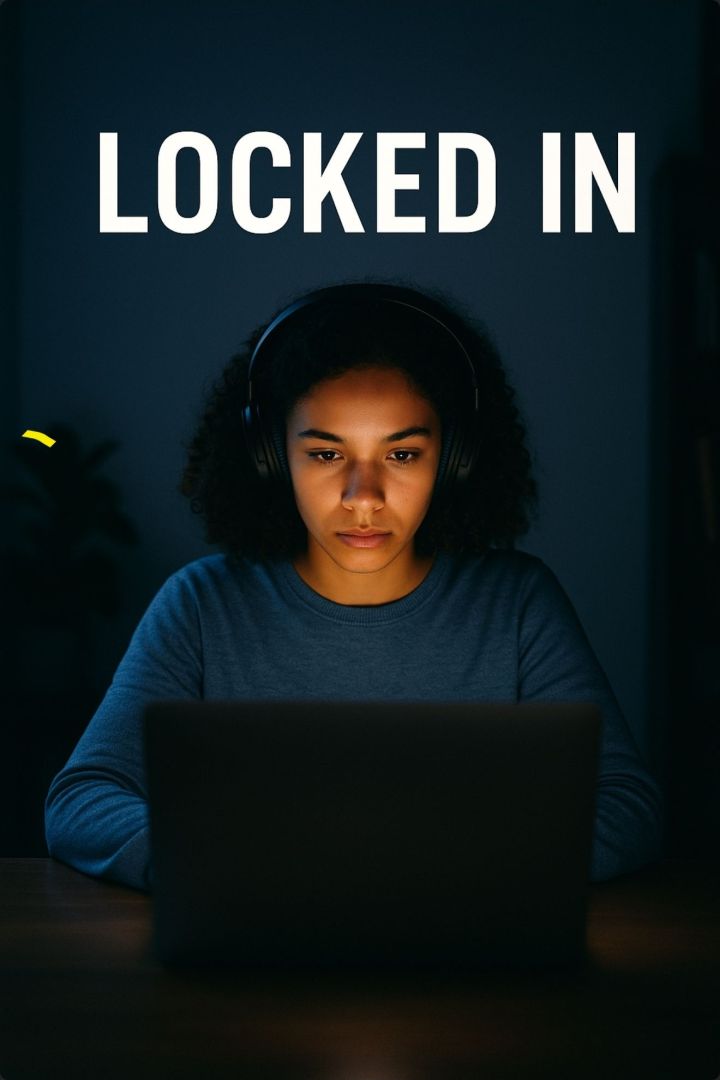
“Locking in” (or being “locked in”) has become one of the buzziest phrases among Gen Z and younger Millennials. It’s about more than just staying busy—it means dedicating yourself to a goal with near-military focus, cutting out distractions, and aligning your habits with what you want to build or become. Newsweek+4Refinery29+4The Guardian+4
If you’ve seen motivational TikToks, to-do list montages, or people deleting apps, resisting social plans, or meal prepping like their future depends on it—it’s probably because they’re trying to lock in. Let’s dig into what’s behind the trend, why it’s appealing, some of its darker sides, and how you can try it out without burning out.
What Is “Locking In”?
- Origins & evolution: The phrase appeared in gaming and sports circles first. As an athlete and sports fan I have been familiar with the phrase for a very long time. “Locked in” meant being super focused during a match, practice, or competition. Reddit+2The Guardian+2 Over time, it has shifted to broader usage. Goals related to work, fitness, finances, academics. The Times+3Refinery29+3The Guardian+3
- What people are doing: Routines with structure, early alarms, limiting time on phone or social media, meal preps, working on side hustles, studying harder, investing, saving money, etc. Refinery29+2The Washington Post+2
- Why now: Part of a shift away from “soft life” aesthetics (rest, comfort, peace) toward “hustle with purpose.” Economic stress, uncertainty, comparisons on social media, and a sense that waiting isn’t enough all feed into it. Refinery29+2The Guardian+2
Why It’s Attractive
Locking in holds appeal because it promises:
- Agency: When things feel chaotic or out of control, it feels good to take back control, structure, and direction.
- Motivation & momentum: Having a declared goal, public accountability, and a routine helps build momentum and can make progress visible.
- Purpose & clarity: It pushes you to clarify priorities, what’s important, what to cut out, what to protect.
- Feeling ahead: There’s this sense of “if I lock in now, I’ll be better prepared later” which feels satisfying psychologically. Yahoo+1
Risks & Pitfalls
But as with many intense trends or lifestyle shifts, there are trade-offs. Some things to watch out for:
- Burnout: All discipline and no rest often leads to exhaustion. People may push too hard for too long. Refinery29+2The Guardian+2
- Rigidity & guilt: When you miss a goal, skip a workout, or need rest, guilt kicks in. The trend can cultivate shame around rest or “off days.”
- Comparisons & performance pressure: Social media amplifies curated lives; seeing someone else “lock in” all out can make people feel they aren’t doing enough.
- Loss of balance: Sacrificing relationships, spontaneous joy, relaxation for the sake of productivity can degrade wellbeing in other areas.
How to Use “Locking In” Mindfully
If you want to try this trend without letting it dominate or harm your mental health, here are some suggestions:
- Set realistic goals
Start with smaller, achievable targets. Break big goals into parts. Don’t try to overhaul everything overnight. - Include rest & joy
Block in time for fun, connection, and rest. Rest isn’t optional; it’s part of sustainable performance. - Make accountability work for you, not against you
Share goals with someone you trust. But don’t let external judgment become your main driver. - Check in with your why
Ask: “Why is this goal important to me?” If the answer starts to feel like “because everyone else is doing it” rather than something meaningful, you might need to adjust. - Adapt & adjust
If something feels toxic, unsustainable, or harming other areas of your life (relationships, health, mental clarity), pivot. Flexibility builds resilience, too. - Celebrate progress
Mark wins, big or small. The process matters, not just the outcome.
Final Thoughts
“Locking in” can be powerful. It’s a collective reawakening of discipline, purpose, and intentional living, especially in times when distraction is easy, and external pressures are high. But strength doesn’t come from endless structure alone. True resilience comes when we combine focus with meaning, rest, connection, and kindness—for ourselves.
So if you’re thinking about locking in: Go ahead. Just make sure you’re doing so in a way that builds you up, rather than wearing you down. Because locking into life should add life, not subtract from it.

 Licensed Mental Health Counselor