Carlee Russell and Histrionic Personality Disorder

Carlee Russell and Histrionic Personality Disorder

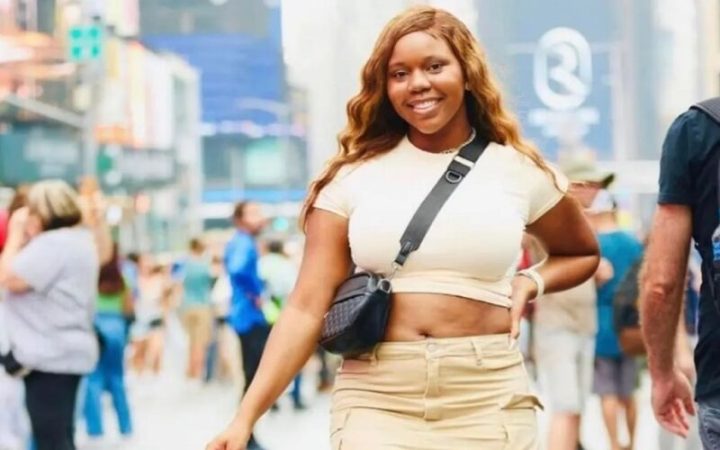
Recently on the radio, I heard some speculation that Carlee Russell, a 25-year-old woman from Alabama who made headlines after she disappeared after reporting she spotted a toddler on the highway, only to show up days later to a relative’s house unharmed with no evidence that she was ever kidnapped or in danger.

Many are trying to understand what appears to be her bizarre behavior surrounding her disappearance and some believe that she may be suffering from some type of mental illness Histrionic Personality Disorder (HPD). As a mental health professional, I don’t want to throw out any possible diagnosis based on the little bit of information I know about this situation and certainly not when it comes to possible personality disorders (which generally takes getting to know the individual personally over time) but I take a more indepth look into what HPD is.

Understanding Histrionic Personality Disorder

HPD is one of the least understood and frequently misdiagnosed personality disorders. It is characterized by patterns of excessive emotionality, attention-seeking behavior, and a need for approval.

HPD falls under the cluster B personality disorders in the Diagnostic and Statistical Manual of Mental Disorders, Fifth Edition (DSM-5), characterized by dramatic, emotional, or erratic behavior. Individuals with HPD exhibit a pervasive pattern of excessive emotionality and attention-seeking behavior that begins by early adulthood and is present in various contexts.

The symptoms can often lead to difficulties in relationships and professional settings, impacting an individual’s overall quality of life.

Symptoms of Histrionic Personality Disorder

Some common symptoms associated with HPD include:

  1. A constant need for attention and approval
  2. Discomfort in situations where they are not the center of attention
  3. Rapidly shifting and shallow expressions of emotions
  4. Use of physical appearance to draw attention
  5. Impressionistic speech that lacks detail
  6. Dramatic, theatrical, and exaggerated expressions of emotion
  7. Easily influenced by others or circumstances
  8. Belief that relationships are more intimate than they actually are

It’s important to note that everyone can exhibit some of these behaviors at times. A diagnosis of HPD involves these behaviors being consistent, long-term patterns that interfere with day-to-day functioning.

Causes and Risk Factors

The exact cause of HPD is unknown, but it’s likely a combination of genetic, environmental, and social factors. Some studies suggest that a history of childhood trauma or neglect might contribute to developing HPD. Early parental relationships may also play a role, as those who were rewarded for dramatic behaviors may learn to use these behaviors to get attention.

Diagnosis and Treatment

Diagnosing HPD involves a comprehensive evaluation by a mental health professional. The clinician will assess the individual’s behavior, thoughts, and feelings over time, and compare them to the DSM-5 criteria.

Once diagnosed, psychotherapy is the primary treatment method for HPD. Cognitive behavioral therapy can be effective, helping individuals to uncover unconscious thought and behavior patterns, and learn new, healthier ways to relate to others. Group therapy can also be beneficial, allowing the individual to interact with others in a controlled, professional environment.

While there’s no specific medication for HPD, some symptoms, such as depression or anxiety, may be managed with psychiatric drugs.

Coping Strategies and Support

Living with or caring for someone with HPD can be challenging. The following coping strategies can be helpful:

  1. Educate Yourself: Understanding the disorder can help manage expectations and facilitate empathy.
  2. Set Boundaries: Maintaining consistent boundaries can prevent manipulative or attention-seeking behavior from destabilizing relationships or professional settings.
  3. Seek Support: Joining a support group, either in-person or online, can provide emotional assistance and practical advice.

Conclusion: Understanding and Compassion

HPD is a complex and often misunderstood condition. If Carlee Russell is suffering from HPD, then she needs understanding, compassion, and professional support just like anyone else suffering from a mental health issue. Instead of attacking or ridiculing her, this experience can be used to highlight the important of mental health awareness.

If you or a loved one have been diagnosed with HPD, remember: you are not alone, and help is available. With the right treatment and support, individuals with HPD can lead fulfilling, productive lives.

In shedding light on conditions like HPD, we help to combat stigma and pave the way for more open discussions about mental health. In doing so, we can foster a society where everyone is understood, accepted, and receives the care they need.

The Unheard Voices: Exploring the World of Maladaptive Daydreaming

The Unheard Voices: Exploring the World of Maladaptive Daydreaming

Daydreaming: we all do it. It’s the mind’s escape hatch, letting us leave our desks, classrooms, or daily chores to briefly venture into a realm where we’re the scriptwriters, directors, and leading actors. But for some, daydreaming isn’t just an occasional mental diversion—it’s an intricate, time-consuming saga that can interfere with their daily life. This phenomenon is known as maladaptive daydreaming, a fascinating yet often misunderstood aspect of mental health.

What is Maladaptive Daydreaming?

First coined by Professor Eliezer Somer of the University of Haifa, maladaptive daydreaming (MD) describes a condition where an individual gets excessively absorbed in daydreaming to the point where it disrupts their life. Unlike regular daydreaming, MD is not merely a brief escape from reality but a significant investment of time and mental energy.

Individuals with MD create complex daydreams, often with recurring characters and ongoing storylines. They might be triggered by real-life events, books, movies, or even music. The daydreams are usually incredibly vivid and immersive, frequently more enticing than reality, leading to individuals spending hours lost in their imagined worlds.

The Impact of Maladaptive Daydreaming

While this intense daydreaming might sound like a boon to creative individuals, the ‘maladaptive’ in maladaptive daydreaming underscores its potential drawbacks.

Individuals with MD can become so engrossed in their daydreams that it hampers their productivity, social relationships, and overall quality of life. They may neglect work or studies, have difficulty sleeping, and become socially isolated. The vivid, detailed nature of the daydreams can also elicit strong emotional responses, which can be exhausting.

Not Just Daydreaming: Recognizing Maladaptive Daydreaming

One of the key challenges with MD is that it’s not formally recognized as a disorder in the Diagnostic and Statistical Manual of Mental Disorders (DSM-5). However, several characteristics can help distinguish it from ordinary daydreaming:

  • Duration: Maladaptive daydreams consume hours of a person’s day, unlike regular daydreams.
  • Control: Individuals with MD often feel they have less control over their daydreaming and may struggle to stop or reduce it.
  • Distress and Dysfunction: MD leads to significant distress, often due to guilt, shame, or the inability to perform daily tasks effectively.
  • Immersive Daydreams: The daydreams in MD are incredibly vivid and detailed, often with complex plots and characters.

What Can Be Done?

For those who identify with the traits of maladaptive daydreaming, acknowledging it is the first step. Awareness is key to understanding how these daydreams might be influencing your life.

Next, consider seeking professional help. Therapists, particularly those specializing in cognitive-behavioral therapy (CBT), can help individuals develop strategies to manage their daydreaming and deal with the issues it may cause.

For some, maladaptive daydreaming is a way of coping with loneliness, trauma, or dissatisfaction with life. In such cases, therapy may involve addressing these underlying issues.

Finally, finding supportive communities—such as online forums or local mental health groups—can also provide comfort and shared coping strategies.

A World Within a World

The realm of maladaptive daydreaming reminds us of the mind’s immense capacity to create, illustrating how our internal worlds can sometimes become as influential as the reality we navigate daily. While this mental phenomenon can cause challenges, understanding it is the first step to managing its effects and helping those who experience it live balanced, fulfilling lives. With more research and recognition, we can hope for better support and resources for those living in the world of maladaptive daydreaming.

Rebirth

This Easter weekend for those who observe it as a time of renewals and new beginnings. It’s a great time to think of beginning anew.

Have you ever felt like you wanted to start over, like you wished you could be reborn? It’s a common feeling that many people experience at some point in their lives. Whether it’s because of past mistakes, difficult circumstances, or just a desire for change, the idea of being reborn can be incredibly appealing.

When I was younger, I remember every weekend thinking that next week is a new beginning. I can start over, be a better person and move on from whatever things were bothering me the week before. As I got older, sometimes I forget that every day is an opportunity to start over in some way. An opportunity to be reborn.

But what does it really mean to be reborn, and is it even possible?

From a psychological perspective, being reborn could be seen as a process of personal transformation. It involves letting go of old patterns and beliefs that no longer serve us and embracing new ways of thinking and behaving.

One way to facilitate this transformation is through the process of introspection. By reflecting on our past experiences and examining our thoughts and behaviors, we can gain insight into the underlying patterns that are holding us back. This self-awareness can help us identify areas where we need to change and grow.

Another key aspect of being reborn is the willingness to take risks and try new things. Change can be scary, and it’s easy to fall back into old habits and ways of thinking. But by embracing new experiences and stepping outside of our comfort zones, we can open ourselves up to new possibilities and opportunities for growth.

Of course, being reborn is not a one-time event. Personal transformation is an ongoing process that requires continued effort and commitment. It’s important to be patient with ourselves and to recognize that change takes time.

Here are some ways to use Easter to look at starting over:

  1. Let go of the past: Starting over often involves letting go of the past. Easter is a time of forgiveness and renewal, which makes it a great opportunity to release any negative emotions or grudges that may be holding you back. Consider reflecting on what you need to let go of in order to move forward.
  2. Focus on new opportunities: Easter is a time of hope and new beginnings, which can help you shift your focus towards new opportunities. Think about what you want to achieve in the future and set goals for yourself. Use Easter as a time to create a plan for reaching those goals.
  3. Surround yourself with support: Starting over can be difficult, so it’s important to have support from others. Surround yourself with people who encourage and support you in your journey. This could be family members, friends, or a support group.
  4. Practice self-care: Starting over can be stressful, so it’s important to take care of yourself. Make time for activities that you enjoy and that help you relax, such as exercise, meditation, or reading. Practice self-compassion and be patient with yourself as you navigate this new beginning.

So while we may not be able to literally be reborn, we can still embrace the idea of personal transformation and growth. By letting go of the past, being open to new experiences, and committing to ongoing self-improvement, we can create a brighter, more fulfilling future for ourselves.

Post Pandemic Mental Health Struggles

Post Pandemic Mental Health Struggles

Over the last year we have all been through collective trauma dealing with the global pandemic.

Many of us went through stressful moments with the lockdown bringing isolation for some, loss of income for others and increased anxiety, depression and substance use for others. Some of us have gotten sick or even worse, lost friends, family members or coworkers.

Now that there are vaccinations and restrictions are starting to lift in certain areas, you may think that everyone is feeling better, a sense of relief or hope, but that is simply not true for some individuals.

A lot of people are ecstatic about being able to gather with their family and friends without masks. Those who were working from home are excited about going back into the office and socializing face to face with their coworkers. Those who were feeling down or anxious are starting to feel their mood brighten, but for some , they are still struggling with the affects of this collective trauma. They may still be feeling down or anxious and some have reason to be. Just this weekend I was talking to a friend who had recently attended the funeral of his uncle who died from the virus a week prior. He, understandably still has some anxiety about the world reopening although he himself is vaccinated.

Healing from this collective trauma will take more time for some people and what will help is being in tune with ourselves and focusing on what we can control versus what we can’t. We have to find out what works for us to ease our anxiety and make us feel better.

For some people that may mean having a digital detox, limiting how much news they intake, exercising or focusing on better sleep hygiene.

It’s Okay to Say That You’re Not Okay

Over the weekend I had a long conservation with someone I go to the gym with about his struggles with mental illness, depression and even suicidal thoughts. We talked about how he joined the gym as soon as it reopened as a way to cope with some of the depression and negative thoughts he had been battling since before the pandemic, but had grown even more so during the pandemic.

Halfway through our conversation he told me that it felt good to have someone to talk to without feeling like he was being judged. Although I was glad to be there for him, I felt sad that he felt like he didn’t have anyone else he could open up to.

Nowadays there is so much assess to mental health help and actionable information through things like Google’s self-assessments, that it is my hope that everyone who needs help will assess it and realize that they are not alone.

A lot of people who were anxious, lonely or depressed before the pandemic, grew more anxious, lonely or depressed during the pandemic and will continue to have those uneasy feelings and thoughts even when the people and world around them returns to normalcy.

It’s important that we look out for our family members and friends who may not be as excited or comfortable with the transition out of the pandemic. For some of them, a return to normality is a return to battling their mental health issues.

Social Distancing and Mental Health

Social Distancing and Mental Health

Everyday it seems like more and more measures are being put in place to keep people physically apart in an effort to combat the Coronavirus (COVID-19). While this is necessary to keep us healthy and to stop the spread of the virus, social distancing overtime can have a negative psychological effect on many people.

Yesterday, the governor of the state I live in (Florida), issued a stay-at-home order which bans all non-essential activities and asked people to stay home as much as possible. Schools are closed. Bars are closed. Hair Salons are closed. Most restaurants are closed except for take out. It is a necessary measure and one that most other states have also put into place.

However, the loss of social connection for some people cave have a devastating impact. 

Research on people who have been quarantined (an extreme form of social distancing) during events such as Ebola, SARS and the H1N1 flu show that many experienced short and long term mental health problems.  Many reported increased substance abuse, stress, anxiety, depression and insomnia even three years after the quarantine ended. 

While most of us are not under a quarantine, they are other byproducts of social distancing that can effect our mental state including the negative effect on the economy.

A record number of people have lost their jobs and have filed for unemployment. Many are struggling to pay their rent and other bill. They are facing uncertain and unpredictable futures. This can cause a number of mental health challenges for anyone, but especially for those already struggling with mental health issues. 

This doesn’t even take into account that many kids are also home which can cause added stress to parents. Think about a couple who is already struggling to get along and add the stress of kids being home, financial instability and everyone being forced to be around each other more than they usually would and you could have the recipe for a disaster.

The elderly are particularly at risks for not only the Coronavirus, but for mental health problems due to increased social isolation.

A lot of elderly people already feel isolated and have few or shrinking support systems. Many already felt lonely before the increased social distancing started. Now having visitors is discouraged and seeing loved ones face to face may be impossible.

A study done In 2015 by Holt-Lunstad and her colleagues suggest that loneliness and isolation can increase the risk of someone dying earlier than if they were not lonely. That’s a sad thing to think about when we are forced to social isolate to protect each other, especially the elderly.  

The majority of people will be perfectly fine during this pandemic. Some people naturally social isolate as is and their lives have minimally if at all been affected.

Others will get closer to their families and connect over social media, telephone, Face-time, etc.  However, nothing can substitute for face to face human interactions such as hugging and holding hands which can positively affect someone’s health both mentally and physically.

Imagine being sick in the hospital and not being allowed any visitors due to the virus. It’s  for your safety and the safety of your loved ones, yet you are being deprived of the connection and human touch you may need at the worst time. 

Fortunately, we due live in a time of incredible methods of communication and  there are a lot of telehealth and telepsych options for people who may need additional support to get them through this period. 

We have to practice social distancing to get through this and we have to obey the stay-at-home and other orders given by our authorities to keep our communities safe, but let’s not forget about those who may need a little extra attention during this time so that they don’t feel forgotten and they don’t fall into a mental health crisis without their support system there to help. 

We can stay home and yet still find ways to stay connected with each other.

Why I Train Brazilian Jiu Jitsu and I Think You Should Too

Why I Train Brazilian Jiu Jitsu and I Think  You Should Too

Nearly exactly a year ago today I started taking Brazilian Jiu Jitsu (BJJ). It was something I had been wanting to do, but had put off for almost ten years. I kept coming up with a excuses, but mostly, I was afraid. The longer I put it off, the more excuses I came up with. In those nearly ten years I went from having no children, to having two children. From having a relatively easy job to a very taxing one. I brought a new car and then another new car. The excuses from time to finances became easier and easier to make, but the bottom line remained the same, I was scared.

I felt like I was too out of shape and too old, but the truth was, none of that was going to change. I was only getting older and while I went to the gym often, I was lifting weights for strength and size so I was only getting bulkier.

Finally one day I decided to sign up for a free week at a school that was near my house, offered classes at times that worked with my schedule and was recommended by a friend who had been training for a few years. 

I could go into what it was like my first days, weeks or months training BJJ, but I want to focus on what I learned psychologically over the past twelve months of training and why you, if interested, should give BJJ a shot as well. 

(For the rest of this post I will be using the terms Brazilian Jiu Jitsu, BJJ and Jiu Jitsu interchangeably)

It’s Okay To Be A Beginner

One of the first things I had to learn in BJJ is to embrace being a beginner. The very first time I put on a Jiu Jitsu Gi (what we wear to most classes), I put my pants on backwards and didn’t know how to tie my belt. I felt embarrassed, but I shouldn’t have. I was clueless and that’s okay.

Jiu Jitsu evolves a lot of complex body movements that I know I looked and probably still look weird doing. I’m not coordinated and certainly I’m not acrobatic. At first I was worried about looking like a clumsy gorilla tumbling across the mat, but now I couldn’t care less about how I look to other people. No one has ever made fun of me, nor are they likely to. You’ll find that Jiu Jitsu people are some of the nicest and most helpful people. They love to see new people and want you to keep showing up and getting better.

Don’t be afraid to start something out of fear of looking foolish or of not knowing what you’re doing. You’re new, you’re a beginner, you’re not supposed to know better. That’s the beauty of being a beginner. Embrace it.  

You’re Not Too Old

I read a meme that said something like, “The best time to start training Brazilian Jiu Jitsu is age 9 and now.” Like I said earlier, I was afraid that I was too old to learn something that was so physical and complex, but the truth is, you’re never too old.

I am 40 years old, I know I am never going to be a World Champion Brazilian Jiu Jitsu player and once you understand that and why you are training, age becomes less of a factor. I’m training to learn a new skill, for physical activity and self-defense. There is no age limit to any of those things. Sure there was a time when every part of my body was aching (very common as BJJ is a total body sport) and I started to wonder if I was too old for this stuff, but eventually my body adjusted and now, I move better and have more endurance than I did ten years ago.  I get to exercise my competitive side which I hadn’t done since playing football in my early twenties and I can even compete for medals or for fun if I ever want to. 

The Way You Are In Jiu Jitsu Tends To Be The Way You Are In Life

When I first started rolling in Jiu Jitsu (what we call sparring), I was very reactionary, timid and didn’t try to win because I always assumed I would lose. Jiu Jitsu teaches you a lot about yourself which is one reason I think so many people love it. After a few months of trying to figure out why I was sucking so badly, not counting the limited skills I knew, I realized I needed to be more assertive and confident. As soon as I did that, my Jiu Jitsu not only got a lot better, but so did the way I lived my life. There is something about dominating, surviving or even withstand the onslaught of another person’s attacks on the Jiu Jitsu mats that make being confident, speaking up for yourself and tackling problems at home and work seem a lot easier. Some of my teammates even say how they are nicer people, better parents and better partners after Jiu Jitsu class. 

I feel like I walk with more confidence now and it’s not that because after one year of training I feel like I am a martial arts expert, but I do feel like I can handle and protect myself much better if need be. Even more importantly, because I feel more confident overall, I am more calm and I think that energy of confidence radiates out like energy into other parts of my life.

It’s Addictive

They say BJJ is for everyone and that is true to an extent. Anyone can learn BJJ, but not everyone is going to like it. People I know who tried it and quit within a month say that they didn’t like the physical contact and closeness that is essential in training BJJ.

For those people, BJJ may not be the way to go, but that closeness and physical contact of BJJ is just what makes it so enjoyable. Many of us long for physical contact in a way that we can’t get in our day to day lives.

In BJJ, that human contact is there in a way that is both competitive and connecting at the same time. Never in my life had I had other men welcome me to straddle them or get so close to them that I can feel every muscle and bone in their body. It quickly made me become comfortable with not just my own sexuality and my beliefs about how close and connected two men can be, but it taught me that my training partners were also comfortable in their own skins and felt comfortable and safe with me in ways that most people would not.

It’s that trust, that openness and closeness that helps build a special bond with the men and women I train with. One that can’t be explained, but keeps me coming back to become better at BJJ for myself and my training partners. After rolling with a good training partner for the first time, you just feel connected with them in a way that’s special to Jiu Jitsu and that helps build bonds and friendships. If you don’t have many friends, BJJ is a sure way to gain a whole community of friends.

Being in the Moment

In BJJ we do a lot of rolling and when you’re rolling, you’re attempting to submit your partner while trying not to get submitted. It’s exhausting. It takes all of your physical and mental power to compete in this human chess match. There is no room for any personal problems, stress at work or even any minor aches and pains. You have to be totally in the moment and present.

That’s what makes BJJ so much like meditation. When I am rolling I feel totally alive. I am not worried about anything else other than my opponent. Sometimes I even go to class not feeling 100%, but once once we start rolling, all the pain goes away. It’s almost therapeutic. It’s almost like you’re in a life and death situation, but in a controlled and safe environment. It’s an experience that’s hard to get anywhere else without actually putting yourself in real danger. 

It’s great exercise

One of the reasons I started training BJJ was because I was getting bored with my normal gym routine. Training BJJ is like no other workout because it is a total mind/body workout mixed with cardio. After a few weeks of training you’ll realize your cardio and ability to move has improved and even your strength. I realized this unexpectedly when I gave two different people hugs on the same day and they said I squeezed them too hard. It wasn’t on purpose. In BJJ we do a lot of squeezing, holding and controlling each others bodies and over time that squeezing starts to feel normal, but not on normal people who don’t train BJJ and aren’t used to what is often called a BJJ hug.

Progression

Another reason I started training was that I was bored in my life. I wanted to do something where I felt like I could see some improvement. Well, progression in BJJ is both fast and painfully slow. At first when you’re new there seems like so much to learn and you’ll never learn just the basics, but before you know it, you’re doing stuff you thought you’d never do.

When I got my first stripe on my white belt I was thrilled. It meant I was more than just the new guy who walked through the door. When I got my second stripe I was even more excited because it meant to me that my BJJ coach noticed my progress.

Stripes and belts are the way that you get promoted in BJJ and they are far and few in between so you have to have other internal factors motivating you to keep going and for me, it’s being better today than I was three months ago. Sure, I hope to have my blue belt this time next year and I’m going to work hard to get it, but when I look at how good I am today at BJJ compared to day 1, I can’t believe it’s only been a year. The guy I am today would destroy the guy I was on day 1 without breaking a sweat.

I can’t wait to see what the next year looks like and if you’re interested in learning a new sport, learning self defense and making new friends, I encourage you to find a good school and give BJJ a try. 

Declutter To Improve Your Mental Health

Declutter To Improve Your Mental Health

Recently I observed a client’s home that was very cluttered, unorganized and messy. It wasn’t filthy, meaning it wasn’t something you’d see on an episode of Hoarders, but it definitely was chaotic. I also noticed that the two small children in the house appeared to run amok, the wife was frustrated and tense and the husband appeared overwhelmed and mentally checked out.

I suggested, as an experiment, that the couple clean up their home, get rid of toys and other items no longer in use and focus on making their house much more simplified and organized. I urged them to try this for a week, not allowing things to get out of hand once the house was clean so that cleaning in itself wouldn’t become another stress inducing task. What we found out during that week was almost a night and day difference.

The children, while still children and occasionally rough housing and dragging toys from one room to the other, weren’t nearly as hyper or overly stimulated as they had been. They appeared much calmer and threw less tantrums.

The mother also appeared happier, less stressed and admitted to spending more time around her kids and husband in the family room (because it was clean) instead of isolating herself in the bedroom.  The father was also more engaging with the family and more present.

The house was much calmer, quieter and in terms of energy, appeared lighter. The entire family appeared happier, less stress and less out of control and the parents vowed to attempt to continue living their lives in this more organized, decluttered state.

How Clutter Affects Your Mental Health

Clutter in itself can cause stress and be a symptom of feeling stressed or poor mental health. Cluttered environments are often a sign of cluttered minds. Also, when you are surrounded by clutter, you can start to feel overwhelmed, anxious, agitated, crowded and tense. Sometimes to the point where you feel like giving up on even attempting to get organized so you let the chaos build on itself or check out mentally.

This clutter not only affects you, but it can affect those around you such as your partner, your children, your friends and coworkers. Think about it. If you never invite people over to your house because you’re embarrassed, if neighbors are complaining about the junk in your yard or you can’t find that report you were working on because it’s lost among a thousand other papers, clutter is probably affecting you more than you realize it.

This doesn’t mean that you are a hoarder on a clinical level, but our physical space and how we choose to live in it is usually a reflection of who we are on the inside and too much clutter can be a sign of a lack of control and can worsen our mental health.

Where do you start

Judih Kolberg, chief organizer at FileHeads Professional Organizers suggest playing what she calls the “Friends, Acquaintances and Strangers Game”.

“As you go through your closets, drawers and big old storage containers, immediately get rid of the ‘strangers’, those items you definitely don’t want and, in some cases, might not even recognize. Donate ‘acquaintances’, useful items that just aren’t your favorites and are never used, to a thrift shop, and keep the true ‘friends’, the favorites you can’t live without”.

My advice is to start small. One room at a time, one drawer at a time and one item at a time. Solicit friends and family for help if you have to and in the end, don’t feel like you have to give up anything you really, truly don’t want to give up. Somethings have emotional value to us, even if they don’t to anyone else.

In the end, try to only keep things that bring positivity and joy into your life. Get rid of anything that brings no value or worse, negativity.

Clearing your space will definitely help clear your mind and improve your overall mental health.

I’m Good Bro

I’m Good Bro

Like most people, there have been times in my life where I was really down, even depressed. Things in my life just weren’t going the way I wanted them to go and most often for me, that boiled down to my love life. I remember one time in particular when I was going through a break up and was battling anxiety and depression to the point where I couldn’t concentrate on much nor could I eat or sleep at all. It felt like that pain would never go away and I just continued to isolate myself and ruminate on my problems. Finally, my best friend called me and asked me if I was okay. My response was, “I’m good bro.” I’m good bro? Why did I say that when I clearly wasn’t good. As a matter of fact, at that point in time I was at one of the lowest points in my life. I had lost several pounds from not eating, laid in bed praying for sleep to take the pain away, but the anxiety made my body tremor like I had the chills.

I was in pretty bad shape, yet my response was, “I’m good bro”. Even then I wondered to myself, why didn’t I just tell him what was going on with me? The answer was because I didn’t want to appear weak. I didn’t want to appear emasculated. I didn’t want anyone, especially another man to know that I was depressed, especially over a relationship. I felt shame in that. That shame kept me from asking for help. It kept me from talking about my thoughts and feelings. It nearly killed me.

From my experience, depression has a way of sneaking in, unassuming and nonthreatening. It has a way of making you feel comfortable with it, almost like a good friend or warm blanket, until it starts to suffocate you. Only then do most people realize that they are in danger and need help.

Sadly, too many people realize it too late and pay the ultimate price. Still as I was getting suffocated by depression, I muttered the words, “I’m good bro”, and effectively rejected any help my friend could have offered. As a mental health professional, what I have learned over the years is that most men who suffer from anxiety, depression and stress will also respond “I’m good bro” when they really aren’t. Men don’t like to talk about their feelings and are slow to ask for help.

For many men suffering from depression, anxiety or stress, it takes thoughts of suicide to compel them to reach out for help which usually means they have been suffering alone for quite a while. And that’s if they even reach out. While these men are suffering and attempting to “hold it together”, their suffering not only has negative affects on them, but also on their work performance, parenting ability and relationships in general.

Men like to think of depression and anxiety as problems women have, but men and women both suffer from these common problems. Men commit suicide at a much higher rate than women do. Stress, anxiety and depression may look different in men than it does in women as men tend to isolate themselves more, become less motivated and may show anger and hostility instead of shedding tears.

Some of the biggest causes of anxiety and depression in a men’s life are work, finances and health problems. The reasons men don’t talk about their mental health According to one study are:

• ‘I’ve learnt to deal with it’ (40%)

• ‘I don’t wish to be a burden to anyone’ (36%)

• ‘I’m too embarrassed’ (29%)

• ‘There’s negative stigma around this type of thing’ (20%)

• ‘I don’t want to admit I need support’ (17%)

• ‘I don’t want to appear weak’ (16%)

• ‘I have no one to talk to’ (14%)

Some of the issues surrounding getting men help is that men tend to prefer quick fixes while women prefer to talk about their feelings. While men definitely benefit from talk therapy, if talking appears to be the goal of therapy, men are less likely to want to start or continue therapy.

When men do want to talk about their feelings, most report that they would prefer to talk to their romantic partner, but not everyone has a romantic partner and even those who do may be uncomfortable feeling vulnerable.

In order for us to get more men to seek help, it’s important that we normalize men’s anxiety and depression so that there’s not so much stigma surrounding a man asking for help.

“I’m Good Bro”: Men and Mental Health

“I’m Good Bro”: Men and Mental Health

Like most people, there have been times in my life where I was really down, even depressed. Things in my life just weren’t going the way I wanted them to go and most often for me, that boiled down to my love life.

I remember one time in particular when I was going through a break up and was battling anxiety and depression to the point where I couldn’t concentrate on much nor could I eat or sleep much at all. It felt like the emotional pain would never go away and I just continued to isolate myself and ruminate on my problems more and more.

Finally, my best friend called me and asked me if I were okay. My response was, “I’m good bro.”

I’m good bro? Why in the hell did I say that when I clearly wasn’t good. As a matter of fact, I was at one of the lowest points in my life. I had lost several pounds from not eating, laid in bed praying for sleep to take the pain away, but the anxiety kept me awake with racing thoughts and fear. I was in pretty bad shape, yet my response was, I’m good bro.

Even then I wondered, why did I say that? Why didn’t I just tell him what was going on with me? The answer was because I didn’t want to appear weak. I didn’t want to appear emasculated. I didn’t want to burden anyone. I didn’t want anyone, especially another man to know that I was depressed.  I felt shame in that. That shame kept me from asking for help. It nearly killed me.

From my experience, depression has a way of sneaking in, unassuming and nonthreatening. It has a way of making you feel comfortable with it, almost like an old friend or warm blanket, until it starts to suffocate you. Only then do most people realize that they are in danger and need help. Sadly, too many people realize it too late and pay the ultimate price.

Still as I was getting suffocated by depression, I muttered, “I’m good bro”, and effectively rejected any help my friend could have offered.

As a mental health professional, what I have learned over the years is that most men who suffer from anxiety, depression and stress will also respond “I’m good bro” when they really aren’t.

Men don’t like to talk about their feelings and are slow to ask for help. For many men it takes thoughts of suicide to compel them to reach out for help which usually means they have been suffering alone for quite a while.

While these men are suffering and attempting to “hold it together”, their suffering not only has negatively affects on them, but also on their work performance, parenting ability and relationships in general.

Men like to think of depression and anxiety as problems women have, but men and women both suffer from these common problems. It may look differently in men than it does in women as men tend to isolate themselves more, become less motivated, become angry, aggressive or turn to drugs and alcohol more.

Reasons Men Don’t Talk About Their Mental Health

There are many reasons men don’t talk about their mental health issues, but according to one study, the top reasons are:

  • ‘I’ve learnt to deal with it’ (40%)
  • ‘I don’t wish to be a burden to anyone’ (36%)
  • ‘I’m too embarrassed’ (29%)
  • ‘There’s negative stigma around this type of thing’ (20%)
  • ‘I don’t want to admit I need support’ (17%)
  • ‘I don’t want to appear weak’ (16%)
  • ‘I have no one to talk to’ (14%)

When men do want to talk about their feelings, most report that they would prefer to talk to their romantic partner, but not everyone has a romantic partner and even those who do may be uncomfortable feeling vulnerable. That’s why it is important that men feel comfortable asking for professional help if needed.

In order for us to get men to feel comfortable seeking help, it’s important that we normalize men’s mental health problems much in the way that we have normalized treatment for erectile dysfunction problems. When we do this we remove the stigma surrounding men’s mental health problems. By helping men feel comfortable talking about their thoughts and feelings, we not only positively impact their lives, but the lives of everyone around them.

Why Are There More Suicides In Jails Than In Prisons?

Why Are There More Suicides In Jails Than In Prisons?

Suicide prevention of  inmates has been the main focus of my job for the last five years. It is such an important topic because in the United States suicide is the leading cause of death to inmates in jail.

This gets little attention because when most people think about inmates committing suicides, they tend to think about inmates in prison and for obvious reasons:

  • Prisons are usually bigger and overcrowded
  • Inmates in prison are usually there for more violent/serious crimes than inmates in jail
  • Inmate in prison are usually serving longer sentences, sometimes life sentences

While those reasons are valid points, the facts are that inmates in jail are more at risk of suicide than inmates in prison. This is important to know because family members are often shocked when their jailed loved one commits suicide often before they have even been to trial.

One reason jails have a higher suicide rate (46 per 100,000) than prisons (15 per 100,00) is that people who enter jail often face a first-time “shock of confinement” situation. They are suddenly removed from their daily lives, their support system, stripped of their job, housing, and basic sense of normalcy.

Also for some there is the fear of the unknown and perceived lack of control over the future that causes extreme anxiety and depression. They’re not sure how long they will be incarcerated or if their loved ones will stand by them. That isolation from their family and significant others can cause tremendous anguish for many inmates.

Many have a distrust of an authoritarian environment. They may fear for their safety, of being assaulted physically and/or sexually.  The living conditions and perceived dehumanizing aspects of incarceration are also difficult for many inmates to accumulate to. Some have to strip search in front of officers, are housed with inmates they would never associate with in the outside world and have to deal with the sleeping, showering and using the bathroom in not so private settings.

Depending on the person and the crime, many inmates experience a great sense of shame about being incarcerated. I have met doctors, law enforcement officers, pastors and prominent members of society who got arrested for everything from domestic violence, DUI to child molestation and stalking charges. They all had a very hard time dealing with not only being in jail, but with the affects it had on their social status.

Jails Usually Don’t Know Who They Are Getting

Jails get people right out of their personal lives, meaning that they get severe alcoholics and drug addicts who end up going through excruciating detoxes that sometimes end with them taking their own lives. They get chronically mentally ill individuals who may be off their medication or highly suicidal. They get people in the middle of a divorce or custody battle that they can’t fight from behind bars. Jail staff may not have a clue about these issues until the inmate starts exhibiting symptoms or attempts suicide.

Because jails are getting people right off the streets, they face a higher risk of inmates dying from drug and alcohol related complications as well.

By the time these inmates are sent to prison, the prison staff already have a detailed history of the inmate from the jail. Inmates have been detoxed and ideally mentally ill inmates have been stabilized on medication.  Also, inmates usually have acclimated to being incarcerated and come to terms with what’s ahead for them.

Many inmates who commit suicide do so before they have even been convicted. They’ve already thought of the worse case scenarios, i.e., “My wife is going to leave me”; “I’m going to get beat to death by other inmates”; “I’m gong to get raped”; “I’m going to prison forever” and decided that death was the better alternative.

The rise of inmate suicides is also partially due to the increased number of mentally ill inmates being jailed. Jails have become the new de facto mental health institutions, but they simply are not equipped to handle inmates with serious mental illnesses and other behavioral factors. These inmates are not only at a higher risk of committing suicide, but are at higher risk of being assaulted, raped and taking advantage of by other inmates. They are also more likely to end up in disciplinary confinement situations due to their behavior and lack of understand or following rules. 

It is equally unfair to severely mentally ill inmates and corrections officers who aren’t adequately trained to deal with them.

Educating jail staff on recognizing signs and symptoms of mental health problems to include signs that an inmate may be suicidal is invaluable. Also, addressing a jail culture that may be toxic or conducive to worsening mental health symptoms and increasing the likelihood that an inmate will attempt suicide is crucial.

Unfortunately I’ve had to deal with numerous inmate suicides and attempted suicides.  We never want to lose an inmate to an untimely death, especially one that could have been avoided, no matter if it’s an assault, a medical condition or suicide.

chart