Psychopathy is one of those terms that triggers strong images of cool, manipulative villains, violent criminals, or people who feel no remorse. But the truth is more complex. Recent research, court cases, and psychological studies show that psychopathy is a spectrum, with traits showing up in many different ways, not always in extremes. Here are some of the clearest signs of psychopathy, plus what new findings are changing how we understand it.
I was first drawn to psychology because of my fascination with psychopathy. In fact, when I started out, I imagined myself working for the FBI as a criminal profiler, chasing the shadows of the worst of the human mind. That interest shaped my career. It’s the reason I spent years working in a mental health hospital and inside a corrections facility, where I saw firsthand how these traits play out beyond textbooks. Even now, in my downtime, I catch myself binging crime shows or listening to true-crime podcasts, still captivated by the complexity of psychopathy.
What Psychopathy Is (and Isn’t)
- Psychopathy is typically characterized by traits such as callousness, lack of empathy, manipulativeness, boldness, impulsivity, and emotional coldness. These traits are measured using tools like the Hare Psychopathy Checklist (PCL-R) and others. Psychology Today+2Taylor & Francis Online+2
- It overlaps with, but is not identical to, Antisocial Personality Disorder (ASPD). Not all with ASPD are psychopaths; not all psychopaths break the law. Some manage to live “functional” lives. Psychology Today+1
Recent Stories & Insights
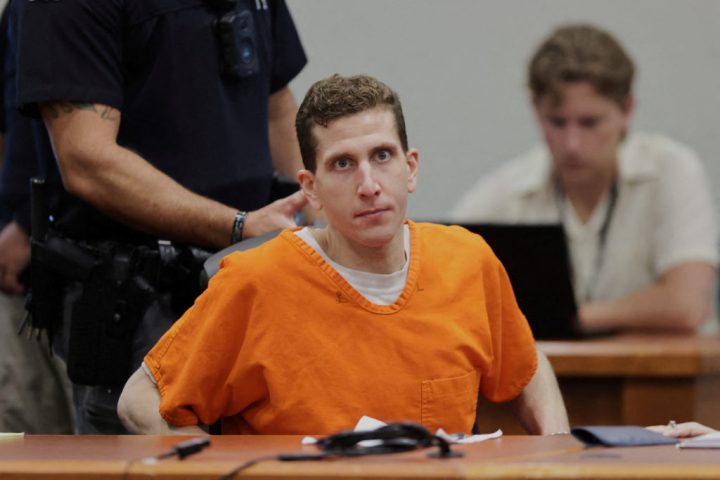
- A recent story: In the trial of Bryan Kohberger, accused of killing four University of Idaho students, prosecutors were barred (by a judge) from using terms like “psychopath” or “sociopath,” citing that they could prejudice the jury. The decision reflects awareness that these labels carry cultural baggage and can distort how people are perceived before evidence is weighed. The Guardian
- The “Corporate Psychopath” Conversation: Business media outlets have reignited discussion around leaders who display traits like superficial charm, ruthless decision-making, and lack of empathy. These individuals may not break laws, but their callousness can devastate teams and organizations.
- Psychologists at UC Berkeley are pushing to update how psychopathic personality is measured, beyond the older checklists from the ‘70s. The new model emphasizes three dimensions: boldness, callousness, and disinhibition. This allows for a more graded understanding. Someone can score high on some traits without being a “textbook psychopath.” Berkeley News+1
- Another study found people with higher psychopathic traits are less likely to punish injustice when it comes at personal cost. That is, they might see a wrong happening but choose not to intervene if there’s a risk or sacrifice involved. This reveals how moral decision-making can be impaired in subtle ways. PsyPost – Psychology News
Signs That Suggest Psychopathic Traits
Here are some common signs/traits (not a diagnosis) that researchers suggest are associated with psychopathy. If you see a few in someone (or even yourself), it doesn’t mean they’re a psychopath, it just might mean these traits show up more strongly in that person than average.
- Lack of Empathy: Difficulty understanding or sharing others’ emotional pain. This can show as dismissiveness or emotional coldness. PMC+1
- Superficial Charm: They often come across as charismatic, persuasive, or smooth, but the warmth may feel shallow.
- Grandiose Sense of Self: Overconfidence, belief in superiority, entitlement.
- Pathological Lying / Manipulation: Lying not just to avoid trouble, but as a habitual strategy to get what they want.
- Shallow Emotions: Emotions may be present but fleeting; they may mimic what’s expected without deeply feeling it.
- Impulsivity / Irresponsibility: Acting without considering consequences; poor long-term planning.
- Lack of Remorse or Guilt: Little or no regret for hurting others or breaking rules.
- Need for Stimulation / Boredom Proneness: Getting easily bored, seeking thrills or novelty.
- Parasitic Lifestyle: Relying on others financially or socially, exploiting others.
- Poor Behavioral Controls: Aggression, irritability, violation of social norms.
Why It’s Important to Be Careful
- Stigma & Labels: The word “psychopath” is sensational. In legal settings (like Kohberger’s case), using the label early can bias how people are treated. The Guardian
- Spectrum, Not All-or-Nothing: Research is showing that many people have some psychopathic traits without being “dangerous” or criminal. The newer measurement models help recognize that. Taylor & Francis Online+1
- Context Matters: Environment, upbringing, neurobiology all play roles. Trauma, neglect, or brain injury can contribute to developing some psychopathic traits. PsyPost – Psychology News+2Psychology Today+2
What to Do If You See These Traits
- If someone you know has several of these traits and they cause harm (to themselves or others), encourage / help them seek professional evaluation.
- Don’t assume diagnosis. Traits can overlap with other disorders. A clinician can use validated tools (PCL-R, PPI, etc.).
- In relationships (work, personal), protect boundaries. Recognize manipulation or deception and assert your needs.
- For personal self‐reflection: if you recognize some of these traits in yourself, it doesn’t mean you’re “bad” or irredeemable. Traits can be managed, awareness is the first step.
The Grey Areas
One of the most important lessons from both research and recent stories is that psychopathy is not all-or-nothing.
- High-Functioning Psychopathy: Some individuals score high on traits like boldness and low empathy but channel them into socially acceptable arenas—business, politics, or even entertainment. Media often calls them “ruthless visionaries.”
- The Everyday Impact: Not every psychopath is violent, but their traits can still corrode trust in workplaces, families, and communities. A co-worker who habitually manipulates or a partner who feels emotionally hollow may not headline the news, but the harm is real.
Final Thoughts
Psychopathy is not just fiction; it’s a real set of personality traits that show up across a spectrum. But much of what people believe comes from movies, sensational headlines, or trial reporting. The real power lies in understanding how these traits work and how they impact not just criminals, but everyday people.
We’re better off when we see psychopathy with clarity, not fear. By recognizing signs, separating myths from facts, and staying grounded, we improve our ability to respond, whether to support others, protect ourselves, or simply understand human behavior a little better.
 Licensed Mental Health Counselor