Mental Health Struggles After a Hurricane

Mental Health Struggles After a Hurricane

I live in “The Sunshine State”, but unfortunately, it’s not always sunny herein Florida especially during hurricane season. Just last week many Floridians, including myself, were affected by hurricane Ian. While my house in suffered no damage other than to the fence and being out of power for three days, many others faired far worse. Many people lost their homes to the winds and floods. Sadly, many people also lost their lives. At the time of this writing, 103 people in Florida had died from the storm and recovery efforts are still ongoing. I work at a level 3 trauma hospital and have seen patients with injuries indirectly related to the storm such as burn injuries related to generator fires and electrocutions caused by down power lines. Being in a major storm can be terrifying and even after the storm has passed, it’s effects can still linger not just with the damage to the community, but mentally with those who survived.

For many, such natural disasters can trigger a continuing sense of anxiety and depression or worsen long-simmering mental illnesses, mental health experts say. The effects, if left untreated, can linger for years.

Going through a natural disaster like a hurricane can be very traumatic. Thousands of people had to evacuate their homes, and some had no home to return to, losing all of their possessions and some even their businesses and jobs in the process. In Orange County where I live, schools were closed for several days, and one elementary school is damaged so badly because flooding that those kids are now being taught at a high school. Imagine how traumatizing that is for elementary age kids to suddenly lose their school and have to adjust to a whole new environment that no one could have prepared them for. While children are known for being resilient, I have no doubt that many of them will need additional emotional support at this time.

Often people who suffer from a mental health issue will have a worsening of symptoms especially because they tend to lack adequate coping skills as it is. Even those who don’t suffer from mental health issues may find themselves struggling weeks to months later when they realize how difficult it may be to rebuild, the financial toll the storm has taken on them or anxiety whenever another storm may be headed their way. Once power got restored at my house I had to go through my refrigerator and freezer and throw away almost everything which in itself could cause someone on a limited income anxiety and depression as that food has to be replaced somehow. Luckily there are government assisted programs like FEMA that are offering aid to those in need.

Here are some tips for coping with natural disasters like hurricanes from The Anxiety and Depression Association of America:

  • Create a plan: Being prepared can help reduce anxiety before, during and after a big storm. Make a plan to evacuate and put together preparedness kits.
  • Be informed: Keep a close eye on weather information and warnings. That may help you gain a sense of control over the situation.
  • Talk it out: Don’t be afraid to talk about your fears with family members, friends, a counselor, or others who can offer emotional support.
  • Accept what you can’t control: Nobody can control the path of a storm or its damage. Excessive worry will not change anything except your emotional well-being.

Some people may need to stay away from watching too much news coverage of the storm as it can be upsetting. Trying to get back to your normal daily activities as soon as possible can be helpful as well as exercising, sleeping and eating right. It’s really hard to manage your mental health when you’re mentally and physically exhausted.

If you can, after the disasters has passed, consider doing something that may make you feel good such as donating food, money or your time. If, however, you feel extremely overwhelmed, depressed and your symptoms don’t improve in a few weeks, it may be time to seek professional help.

Often people think after a storm or natural disaster only about the clean-up and rebuilding, but it’s important that we don’t neglect the survivor’s mental health.

I’ve attached some personal pictures to show just some of the damage Ian caused across central Florida. Things are much worse in certain areas, especially where the storm made landfall.
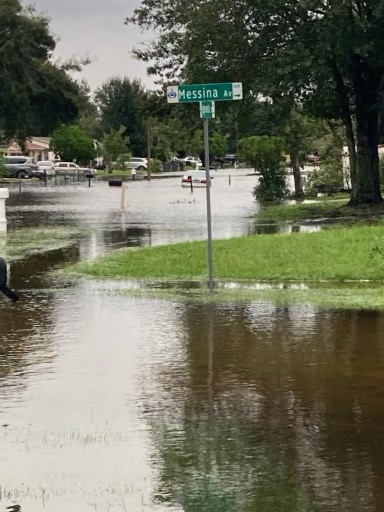
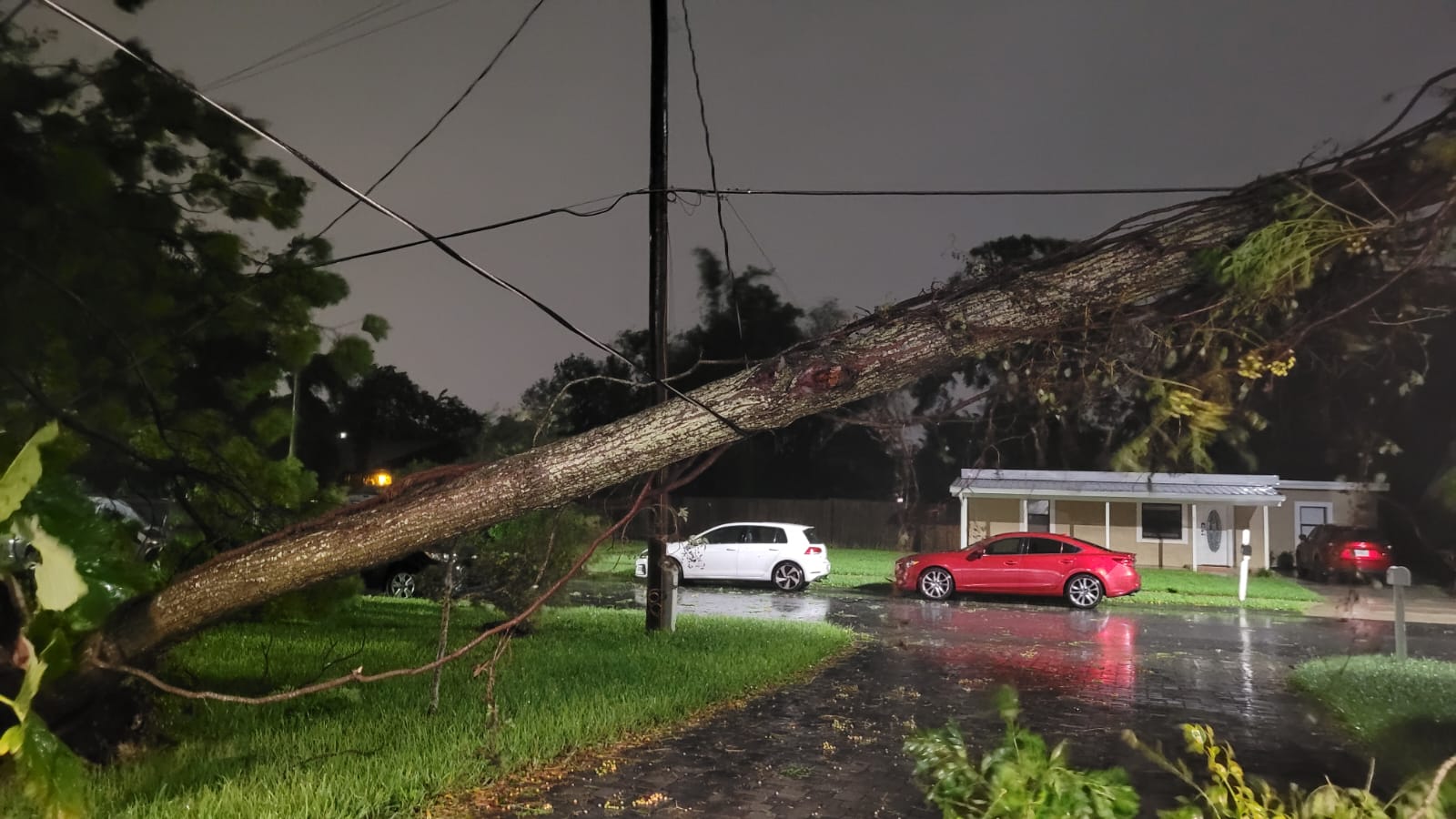
View from my old house in Orlando the day after Ian passed through.
The view from a friend’s house

A picture a friend of mine who is a fire fighter sent me while rescuing people from flooded houses the day after hurricane Ian
The food from my refrigerator and freezer that had to be thrown away due to not having power for over three days

My Day Working At A Women’s Residential (Addictions) Facility: Observations And Thoughts

pot-girl_000009278592XSmall_244x183

Yesterday I was blessed to be able to go and work with a group of women in a women’s residential facility. All of these women varied in age from barely twenty to the elderly, yet they all battle some form of substance abuse.

None of them looked like “typical addicts” and they were all extraordinary women.

Many of them were mothers or wives and of course daughters who had lost nearly everything due to their alcohol, cocaine, crack-cocaine, prescription pills, meth or heroin addiction.

One older lady had battled addiction for most of her life and at one point became homeless before finally making up her mind to try to get sober and clean. She has seven months sobriety.

Another woman who looked like she couldn’t have been a day over twenty, but had a five year old child, had been clean for four years before an old dealer of hers found her on Facebook and seduced her into using again.

And another older female had been pretty much a functioning alcoholic for the past five years and then one night out of the blue had an alcohol related gran mal seizure that landed her in the hospital for five days and she was court-ordered to rehab from there.

A lot of the women had tragic stories, including a very young girl who I don’t think was even twenty and was in rehab for the first time after being court ordered into treatment.

She was adopted, her birth mother was a drug addicted, her birth father was in prison and when her adopted father died two years ago she started using any drug she could get her hands on to numb the pain she felt.

Working with these women yesterday in group and individual settings I took a lot away from not only what it meant to become and remain substance free, but also what it meant to accomplish any major goal.

Having a good support system of course is important.

The women who had a supportive family, a supportive group of people such as Alcoholics or Narcotics Anonymous, supportive healthy friendships, supportive professionals or a supportive sponsor all seemed to be doing better than those who did not.

Having a belief in and a relationship with a Higher Power also seemed to help.

Not that there weren’t many women there who weren’t religious, but it was obvious that those who had some type of relationship with God, the universe, or whatever, seemed to be doing better in recovery compared to does who didn’t.

Also, those who were honest with themselves and in touch with reality seemed to be doing better than those who seemed to be a bit oblivious to reality.

The one thing that bothered me most about a lot of the women in the facility were that a lot of them were lying to themselves as we all do from time to time, especially when trying to stop a bad habit.

Many of the women still had “addict behaviors” not only in the fact that they were lying to themselves, but they were also lying and being sneaky to others.

For instance, this was a smoke-free facility where these women are prohibited from smoking, yet a number of the women sneak out and smoke.

That may seem relatively harmless in comparison to their bigger addictions, but that type of sneaky, dishonest behavior sets the stage for future relapse.

Relapse is not something that usually just happens, but develops overtime in the way a person thinks, feels, and acts.

A sober, clean person may start feeling agitated, lying, sneaking off to do things they know they shouldn’t, etc., days, weeks or months before actually relapsing.

They start lying to themselves, saying things like, “I can just have one drink” or “I can just take one hit and walk away, I know how to control it now”.

Before you know it, they are back in the thick of their addiction, driving under the influence to get more alcohol or selling whatever they can get their hands on to get more drugs.

Most of these women displayed some of those signs of a future relapse, from sneaking off to smoke, to being angry and irritable, to the woman who had the seizure asking me:

“How much do you think I’ll have to drink for that to happen to me again, because it scared the hell out of me. I don’t want to drink any more, but I just want to know if I have one drink, or two drinks, how many would it take before that happened again?”

Although she’s telling me she doesn’t want to drink again, she is lying to herself. It is obvious that in her conscious or unconscious mind, she is trying to figure out if she can get away with drinking “just a little”, but she is an alcoholic, and knows that there is no drinking “just a little” for her.

The women sneaking off to smoke, will be the same women sneaking off to drink or get high once they are out of rehab. That is “addict behavior” at it’s best.

Just like in trying to quite anything from smoking to losing weight, people generally relapse and it takes a few tries before they get it right. Relapse at some point is usually expected which is why there is often a focus on relapse prevention.

One of the biggest things to know about relapse is that if you mess up, if you have a drink, or a hit, or a donut, it doesn’t mean you just give up and give in. You can still back away at that point and start over before the addiction truly regains a hold of you.

All the women in this facility are at different points in their recovery and no doubt, for many of them, this will not be their last time in treatment, but hopefully one day they will get it right.