Do you think there is a difference between someone saying “I love you” and just “love you?” I ask this question because personally I think there is a difference. I tend to say “love you too” when I am responding to someone I don’t really love. I usually tend to say “love you” to someone I don’t love in a romantic way, but in a friend or familial way. I prefer to save the “I love you” for someone I am truly in love with or when I am really expressing admiration to someone.
So is there a difference between the two?
I did a quick internet search and came up with some of these responses:
I say it more than “I love you”. I also say “loves”. For me, it’s just the way I say it, and the way my whole family tends to say it. We miss out the “I”. When people say “love YA” though, that bothers me. Again, it could just be the way they say things, but to me it seems insincere. It depends entirely on how they say it to others and any underlying issues with intimacy they may have. I have a lot of emotional issues so mine could well speak for that if only it wasn’t just the way we said it in my family. *shrugs* I guess I’m trying to say it’s entirely a “relative to the individual” thing as far as I see it.
Nope. “Love you,” is just something we say when hanging up the phone or closing an email. It’s more casual, but the meaning is still the same. It’s like “hello” versus “good morning”. We say, “I love you,” when hugging each other or being sappy during vacation. The phrase just depends on the circumstance
I say ” love you” allot to my husband (we tell each other several times a day, at random times) I don’t see a difference from “I love you” vs “love you” just the way I say it
I think there is a difference, The ‘love you’ one is more flippant and almost dismissive IMHO I hate “love you” I also hate “love u” and “ilu” all are dismissive hurried and lazy.
Defnitely a difference! While I am fine with “love you” it is nice every now and then to get a truly heart felt “I love you”. Just means more…
Well I tell my hubby “I love you” but I tell my best friend “love you” so meh I feel there is a difference but it also depends on the person as well. it may mean something different to them than it does to me or you.
I also think that HOW it is said makes a difference, I like to say I love you, and I am in love with you to my man and love you to my children as they walk out the door, I love them, but in a different way
The last two guys I was involved with both changed from “I love you” to more flippant responses like “love you” or “love ya” and both relationships went south about the same time.
I think it all depends on the context and the relationship of the people saying it. I used to get upset with my ex for saying ‘love you’ a lot, but it was usually because I was annoyed with him for other things and that was just an easy target to nag him about.
i tend to say love you alot in a kidding sense so i guess there is a difference.
I think the words “I love you” are very powerful, and people have dismissed it and reduced it to almost nothing, like the anoying – I whatever-.
Absolutely NOT! I think it’s silly to even think there is a difference. The difference is in the tone, not the words! Feelings are displayed in the tone! Simple as that!
So it looks like people have many different views on the subject, probably depending on their personalities, their relationships and their experiences. I think however if in a relationship one person uses the words “love you” and their partner feels a certain way about it and would prefer to hear the more personal “I love you”, then that should be communicated. Otherwise, the person that prefers to hear “I love you” will most likely always feel a little sting when you lovingly say “love you”.
So what do you think? Is there a difference between “I love you” and “love you”?
For the most part, adolescent girls talk more than adolescent boys. They just do. Little girls generally start talking sooner than boys and even as children are able to verbalize and express themselves much more efficiently. This ability to communicate has many advantages, especially in helping develop social-perspective taking skills (the understanding of other peoples thoughts, motivations, feelings and intentions).
Females are generally more gifted in the area of social-perspective skills which have great benefits including greater quality of friendships, better ability to get along with others, to show empathy and to be great caretakers. However, there is a downside to having well-developed social-perspective taking skills, including what is called co-rumination.
Co-rumination refers to extensively talking about and revisiting problems, focusing on negative feelings and speculating about problems with peers. While it is usually healthy to talk about problems, co-rumination generally focuses more on the problems themselves (especially negatively) and not on actual resolutions and therefore can be maladaptive.
Adolescent girls with good social-perspective skills are more likely to co-ruminate because they find it easier to talk to and relate to their friends about their problems and to understand their friends negative feelings about the problems. This type of understanding breeds closeness.
A problem with co-rumination is that it exposes the person to their friends problems, worries and negative affect repeatedly which can lead to empathetic distress. Empathetic distress is feeling the perceived pain of another person. Which means not only does the youth have their own problems, they are also taking on the problems of their friends.
When I worked in the high school I would be amazed at how teenage girls would take on each others problems so much so that you would think it were their own. Some would see this as an endearing quality, but much of it was definitely dysfunctional. Sometimes the amount of enmeshment would almost seem pathological. Some teens would find it hard to concentrate because they were so worried about their friends problems even when in all reality, it had no impact on them.
I would listen to them discuss the same problems with each other over and over again offering no real resolutions, but instead harping on and internalizing them in ways that were more detrimental than helpful.
As a counselor, I would encourage problem solving and positive thinking. I would try to help them understand that their friends issue isn’t theirs as well as try to help them understand disclosure. Many teenagers today, in part thanks to social media, share way too much personal information with each other without understanding the impact it may have later. Not understanding personal boundaries and disclosure is a crucial part of co-rumination and both rumination and self-disclosure have been linked to increased anxiety.
Girls in friendships with a lot of co-rumination often view their friendships as high quality because there is a lot of understanding and empathizing, but there is often also a lot of internalizing of problems which leads to negatively and has been shown to increase the risk of anxiety and depression.
Boys on the other hand generally do not socialize and c0-ruminate as much as girls do. The trade off is that while they may be more protected from empathetic distress, they are also less likely to have high quality friendships. There must be a balance.
I also believe that the impact of co-rumination and empathetic distress affects people well into adulthood, especially those in enmeshed friendships or in the helping fields where we in some instances we call it secondary PTSD and burnout.
So what do we do with this information?
It’s hard to curtail co-rumination without discouraging social-perspective taking which also has very high and much needed benefits. One solution is to help the individual understand and balance their concerns for other people with their own needs. Helping an individual learn what is their problem, and what is not their problem also helps to start separating some of the negative affects of co-rumination.
Also, focusing on the positive would help a lot. Many young girls focus on and talk about their problems way too much and internalize them instead of resolving them which only makes them feel worse.
I’m not discouraging talking about problems or young girls talking to their friends about their problems, but there is certainly a healthy and unhealthy way for young girls to discuss, think about and solve their issues without ruminating and falling victim to empathetic distress.
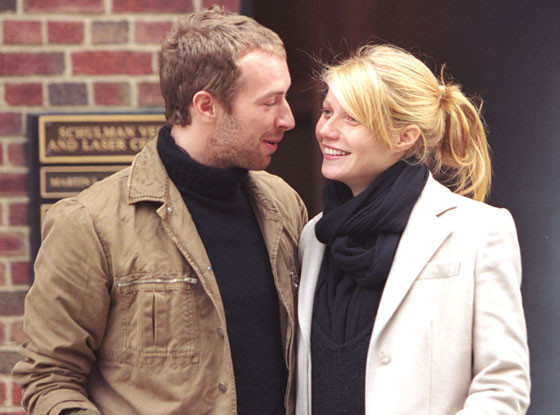
A lot has been made about Gwyneth Paltrow and Chris Martin deciding to consciously uncouple, after more than 10 years of marriage. Many people are unsure of what exactly conscious uncoupling is and figure that it’s just a new age, more amiable way to say divorce, but is it?
The couple stressed in a statement that “in many ways we are closer than we have ever been”, they have come to the conclusion that “while we love each other very much we will remain separate”.
Conscious uncoupling is a great and healthy way to to end a relationship, while remaining complete as a person. It’s basically when, in an ideal situation, a couple comes to an agreement that their romantic relationship isn’t working for them and that they should end that part of their relationship, leaving room for friendship or at least parting ways without bad feelings.
It sounds very Pollyannaish, but why do breakups, divorces and the end of relationships have to be so painful, heartbreaking and dramatic?
Part of it is because that is what is taught and modeled to us by society, our families and the media. We are taught breakups are supposed to be destructive and negatively impact our lives, but they don’t have to be.
Imagine if when one person realizes that the relationship isn’t working for him or her, that they were able to talk to their partner and have a conversation where they both agreed to consciously uncouple. There would be less pain, less negativity and less destruction in those two peoples lives.
They wouldn’t carry the baggage from their past relationship (at least not as much) into the rest of their lives and into their new relationships. They would be overall more mentally and emotionally healthy individuals.
Sadly, many of us aren’t rational enough to do conscious uncoupling. Most of us are naturally irrational and neurotic when it comes to love and our feelings for each other. Most of us, even when we know a relationship isn’t working out, stay anyway.
Much of the time we stay in relationships out of fear; fear of being alone, fear of hurting the other person, fear of what the future without that person will look like it. We all have our reasons for why we stay in relationships we really want out of.
We stay and become bitter, or stay and cheat either physically or emotionally. We stay and withdraw love, affection and sex to punish the other person. We stay until the other person does something that makes us leave, something which usually ends up hurting us and thus we usually leave relationships wounded and go into our new lives damaged with a greater risk of entering into a new relationship baring scars from old relationships.
I wish I had the rationale and guts to at least try conscious uncoupling in my previous relationships. It would have saved them and myself much pain, heartache, regret and sorrow, but I didn’t out of fear.
Conscious uncoupling takes audacity, a healthy overall sense of self, and I think for it to work successfully for both people, it takes two people who already have not only a healthy sense of who they are as individuals, but also have an overall healthy relationship with great communication to start with.
You may be thinking, if they had a healthy relationship and great communication, then what was the problem? The problem could be anything. We don’t have to be in bad relationships to decide that it should end. We don’t have to be in good relationships and then consciously or unconsciously make them bad so that we have a reason to leave. We can practice conscious uncoupling as a healthy way to end a relationship while keeping us whole.
For more detailed information, and if you have 50 minutes, you can watch psychotherapist and author Katherine Woodward Thomas discuss conscious uncoupling. She specializes in “the art of completion” which she says is “a proven process for lovingly completing a relationship that will leave you feeling whole and healed and at peace”
From experience I know that it hurts when relationships ends, but conscious uncoupling reminds me that it doesn’t necessarily have to.
In life, we have enough to deal with with our own personal battles, the up and downs of everyday life and our own junk from our past and worries about our future. Still, most of us allow other people to dump on us, to put some of their battles, junk and worries into our already cluttered lives.
Most of the time we don’t even know this is happening and the people doing it to us are usually unaware as well. This all happens in our unconscious for the most part and is what is called displacement in psychology.
Displacement is an unconscious defense mechanism where someone transfers feelings of emotions, ideas or even desires unto other people or even objects. This usually happens in an effort to relieve anxiety, especially when it comes to things like aggression and sexual impulses.
Take for example, a wife who is sexually attracted to her boss and feels extreme guilt about it. She may come home and accuse her husband of being unfaithful, wanting to be with other women or even not finding her sexually desirable any more.
The wife will do this with so much emotional energy, that the husband will have no idea where these thoughts and feelings are coming from and will most likely do everything he can to assuage his wife and may even find himself stressed out although in all actuality, the situation has nothing to do with him.
The issue is not his, but he will make it is. He will take on all the emotional energy although it is not his in an effort to allay his wives feelings.
He may lose sleep about it and wonder what it is he is doing wrong.
We’ve all been in situations, arguments even where we knew on some level that it was not about us. I’ve been in situations where someone made me feel like I did something wrong and I did everything I could to rectify the situation, only to eventually find out it had nothing to do with me, meaning that although I was stressing and doing everything I could to make the person happy, there was really nothing I could do because it wasn’t really about me.
A good clue that it isn’t about you is when the level of emotion is out of proportion to the situation.
Lets say you accidentally drop and break a dish, but your partner goes berserk about it or you come home five minutes late and your spouse is raging out of control over your tardiness. Chances are, they are displacing their feelings, be it anger, anxiety or whatever.
Emotions can be considered energy in motion. When people have a build up of energy, they have to find a way of getting rid of it or it will affect them in other harmful ways (depression, self-harm through drugs, alcohol, reckless behavior).
Often the easiest and even safest way to get rid of that pent up energy is to direct it at the people they love simply because they know that chances are you aren’t going anywhere.
Your husband can curse you out and you may fight, but chances are you will still be there tomorrow. If he curses the person he really wants to curse out, for example, his boss, chances are he will not have a job tomorrow.
In psychology we are used to this and call it transference. Most clients eventually will transfer or displace feelings unto us, rather its issues they had with their mother, their father, their ex-husband, or whomever we start to “remind” them of.
As a male therapist, when I worked in a high school, I used to get a lot of teenage girls who would displace their anger and fear about their absent fathers towards me and in therapy, we work through this. It is part of my job, but in the real world, it is usually much more difficult and frustrating to deal with.
In some of the worst cases of displacement, it can become abuses. Lets say a husband is angry with his boss, but he can’t hit him, so he comes home and unconsciously picks a fight with his wife and hits her, displacing his anger. This may eventually become his way of “dealing with” his anger and the abuse cycle begins.
Sometimes this can have a chain reaction. Suppose the wife, now hurt and angry, displaces her anger unto their child by hitting him and the child then goes and hits the dog.
It can be a vicious, unhealthy cycle.
Displacement is an amazing psychological deception and some people will do it just as much consciously as unconsciously.
Some people will purposely displace their anger, worries, whatever unto others so that they can either attempt to avoid their own feelings or to distract the other person from the real problem.
When this type of displacement happens, it can be more abusive than simple unconscious defense mechanisms at work.
Take for example a wife who really is cheating and her husband gets suspicious. She gets scared and instead of confessing, she very angrily accuses him of being the one who is cheating. He may get so caught up in her strong emotional energy that he feels guilty for his suspicions and ends up being the one trying to treat her like a queen in an effort to show her that she is the only one for him, all the while she has successfully distracted him from the real problem at hand.
So the next time someone yells at you, gets angry really quick or displays any other emotion that seems out of proportion to the activating event, before you allow yourself to get caught up in all that emotion, take a few seconds and ask yourself, “Is this really about me?”. Sometimes that’s all it takes to avoid getting caught up in a battle of emotion that is not yours to fight and prevent yourself from unnecessary stress.
When it comes to relationships, what we believe about relationships and how they should be plays a major role in how we perceive and behave in them.
We all have preexisting beliefs about how we think relationships should ideally form. Some of those ideals can be very rigid, to the point that they keep us from entering and appreciating otherwise great people because they do not fit into our idealized image.
For example, many people look for that “special someone”, but that “special someone” has to almost perfectly fit into their preexisting beliefs. Maybe he has to be exactly six feett, six inches tall, or she has to have perfect blonde hair or has never been intimate with anyone else.
Even the ideal about the way we meet that “special someone” can influence us.
In college, there were many people I knew who expected to meet their “ideal partner” in school and most didn’t. Many tried hard to make relationships that weren’t compatible work, simply because of their beliefs. Many others left college disappointed, thinking that they will never find true love if it didn’t happen the way they thought it should have, in college so many relationships they entered after school they did so half heartedly and didn’t make much effort in sustaining them, at least initially.
Most of these people subscribed to what is called a destiny belief when it comes to relationships, meaning that they thought people were either meant for each other or not. I too believe in this to some extent, but some people believe in this so much that they believe little to no work has to be done in a relationship because if it were destined to happen, then it would magically just work.
People who have been in successful long term relationships and marriages can tell you that successful relationships take work. They don’t just magically happen. It takes compromising, understanding, negotiating, letting go, determination, love and a host of other tools to make a relationship work.
Most people who understand this and are in happy, long term relationships believe more in a growth belief where relationships have to be cultivated and developed through mutual experiences, which may include conflict. They understand that not everything is always going to be perfect, but even then there are opportunities to communicate, learn and grow with their partner, in their relationship and within themselves.
People who believe more in the destiny belief generally go out of their way to make a good impression during the initial stages of a relationship, and are constantly on the look out for signs that this person may not be “the one” so that they can move on to someone else. This sensitivity to signs that a relationship may not work out very early on can be helpful, but it can also be very detrimental as they often quickly rule out potentially great partners over the smallest of perceived slights or flaws.
For instance, a woman whose ideal mate is always well-kempt, is in a new, promising relationship with someone who is “perfect” so far, notices one day that he has dirty finger nails, may see that as a sign that he is not the man for her and may end the relationship. They belief it is one “perfect” person out there for them and will reject any other partners that are even slightly flawed.
On the other hand, people who believe in growth belief place less emphasize on initial interactions and feelings, but want to develop understanding and closeness overtime to see how compatible they are with an individual. Even when faced with flaws, they will continue to see if they can live with those flaws as the relationship evolves through challenges, difficulties and resolutions.
For example, an argument might break up a couple if both of the individuals are heavily vested in destiny belief, while if both individuals are heavily vested in growth belief, the same argument can help them grow closer.
Both growth belief and destiny belief are viewed on a scale. People can be either high or low on that scale and I am not saying either belief is better. I for one used to be very high on the destiny belief scale, but as I have grown and had different experiences, I am much higher on the growth belief scale with a little destiny belief still in my heart.
I definitely believe in destiny and that some people and relationships are meant to be for one reason or another, but I also believe that without the willingness to work at and grow in a relationship, it most likely will not work. I do not go into a relationship thinking that this person is “perfect” and I don’t have to do anything to make our relationship successful. I go into a relationship thinking, this person seems worth investing my time and energy in (flaws and all)and if it’s destined, we will work out.
How do you feel when it comes to relationships? Are you more on the destiny side or the growth side, and if so, how high or low are you on those scales?
Recently a friend of mine and I had an intellectual and introspective conversation about the way we act when it comes to relationships. We discussed the ways we react to love, to break ups, to trust issues and to abandonment.
It was during this conversation that I started trying to identify our attachment styles because it was clear to me that ours were different, yet neither one of us had what I felt was a healthy attachment style.
As a clinician, I’ve always been aware of attachment styles, especially when it came to attachment disorders like reactive attachment disorder (RAD), but I never really gave them much thought when it came to my own life until I was having this conversation with someone who seemed so opposite, yet familiar.
What Exactly Are Attachment Styles?
Attachment styles are patterns of relating to others that develop early in childhood and they consciously and/or unconsciously continue to play a role in our relationships throughout life. We base much of our attachment style on the very early relationships we had with our parents (especially our mothers) or guardians.
The attachment style we operate from influences how we go about getting our needs met and how we meet or don’t meet the needs of others.
When we have a healthy attachment style we are confident, secure and easily interact with other people in a balanced relationship.
When we have an unhealthy attachment style we tend to be insecure, anxious, and/or detached and tend to find other people who fit into our unhealthy attachment style which generally means making bad choices in relationships because the people we choose tend to lack the capability to be good partners for us in the relationship.
We typically tend to project our sense of how we think relationships are, through our attachment style.
For instance, someone who has an insecure attachment style will likely seek out other relationships that confirm to them that they should be insecure. They will unconsciously seek out people who are unfaithful and friends who aren’t trustworthy, even when those relationships are clearly hurtful and destructive.
It’s helpful to understand what your attachment style is so that you can be aware of some of the unconscious factors that may be playing major roles in your adult relationships.
There are four basic patterns of attachment and we’ll discuss each one briefly in efforts to help you identify which style mostly resembles the way you relate to others, especially in your love life.
Secure Attachment
Lucky, the majority of of us have what is called secure attachment, which means that we grew up seeing our parents or caregiver as a safe and secure place, which allowed us to go out and explore our world as an individual.
People with secure attachment tend to have better relationships compared to the other attachment styles. They tend to find romantic partners who also have secure attachment. They feel connected, secure and do not try to control their partners or cut off their partners independency.
As adults they are supportive and aren’t afraid to ask for support when they feel they need it. Their relationships are generally more open, honest and fair because while they like feeling independent, they also like being connected with those in their life without hampering their independence.
The way they relate and love other people is usually more genuine and they act out of places of love, rather than fear or anger more often than those who have other attachment styles.
Anxious Preoccupied Attachment
People who have this type of attachment are often “starving” for love or attention. They tend to cling to people even when there is no real love and trust isn’t present. These people are usually looking for someone who “completes” them because they don’t feel complete by themselves and feel safer when they are in some sort of relationship. At the same time as they are clinging to others, they tend to do things that push them away.
Because these individuals are afraid of abandonment, they come off as anxious, insecure and desperate and do things to confirm their believe that they should feel this way such as becoming possessive, super clingy, demanding of time and attention and trying to control their partners independence. As a matter of fact, they may see their partners independence as rejection and confirming that they should be feeling anxious and insecure.
They may for instance see their best friends interest in other people as signs that they don’t want to be friends any more and will hurt them or if they’re in a relationship, they may see their partners interest in a “boys night out” as a sign that he doesn’t love her and wants to be with other women, therefor confirming their believes that they should be insecure and anxious.
Dismissive Avoidant Attachment
People who have this type of attachment seem to be emotionally detached, especially when it comes to people they are supposed to love and care about. They tend to isolate themselves and create a false sense of independence, often times isolating themselves from family and friends. These are the people that may seem totally wrapped up in themselves and their own well-being.
However, their false sense of independency is just that, it’s not real and they crave real relationships with others just like all humans do. We are social creature by nature. People with dismissive avoidant attachments will deny the importance of real relationships with family, friends and other loved ones and will detach easily from the people in their lives often for little to no reason at all.
This is a psychological defense that they use to shut off their emotions, usually to prevent from getting hurt, feeling rejected or having to be vulnerable in anyway. For example, even when they are really angry or sad, they may look unfazed. They have an uncanny ability to not react and just shut off all emotions.
They may repeatedly chose relationships with unhealthy people so that they will be forced to detach and affirm that they need to be detached and distant because they will only get hurt if they allow themselves to be vulnerable. Even if they are in a good relationship, they are likely to run or cut off all communication at the slightest hint that they are allowing themselves to be exposed.
Fearful Avoidant Attachment
People who have fearful avoidant attachment are always at a point where they are trying not to be too close to other people and at the same time, they don’t want to be too distant from them either. They try to maintain this balance by hiding their fear, but it’s nearly impossible to do for very long.
These people sometimes come off as unpredictable or even “bipolar” as they try to maintain that balance and often react in overly emotional ways. They usually believe that you have to go towards other people if you want to get your needs met (love, attention, security, etc.), but also believe that if you get too close you will get burned.
The very people they want to run to and turn to for love and support end up being the same people they are extremely afraid of being too close to. You can imagine how this type of attachment would play out in familial and romantic relationships and the turmoil it could cause. Because of this, they usually aren’t very successful at truly getting their needs met by others.
For instance, a wife with this type of attachment may feel like she needs her husband to be more attentive to her, but is too afraid to admit it and therefore never tells him and is bitter when he continues to be inattentive.
In the worse situations, these people tend to be more likely than the other attachment styles to end up in abusive relationships. They tend to like the dramatic type of relationships that are like emotional roller coasters as they fear being abandoned by their partner, but at the same time have difficulty being emotionally available and intimate.
Knowing your attachment style, even understanding some of the dynamics that helped develop it, can help you learn to change the way you relate to others so that you can have more genuine, fulfilling and valuable relationships with others.
I believe my attachment style most closely resembles anxious preoccupied attachment. Now that I know that I can not only analyze my past relationships, but change my future ones for the better.
By recognizing the defenses that we use to avoid being emotionally connected with other people and challenging ourselves to enter into friendships and relationships with people who have secure attachment styles, we can work on our issues in those relationships.
If you want more information, there are plenty of good books on attachment, but I personally recommend Attachments: Why You Love, Feel, and Act the Way You Doby Dr. Tim Clinton and Dr. Gary Sibcy.
This is one of my favorite quotes, not because it is brilliant, which it is, not because it is simple and true, which it also is, but because it is something I teach daily to my clients and something that I personally struggle with.
A large majority of my clients are suffering from various issues because of interpersonal problems, many which could be eliminated or at least greatly reduced if they just stopped allowing other people to control their thoughts, feelings and emotions.
Matter of fact, learning to control your thoughts, feelings and emotions is the hallmark of cognitive behavioral therapy which is the main theoretical orientation I work from.
When I listen to my clients vent in anger, cry in sadness or hyperventilate through anxiety, what I hear a lot of is that they are giving other people too much power over them, many of them who don’t have their best interest at heart and who wouldn’t be sitting across from me in emotional and psychological pain if the tables were turned.
These people my clients let control them, for the most part, couldn’t care less about the agony they were causing them.
Most of my clients allow boyfriends, so-called friends, family members and even mere acquaintances dictate how they feel about themselves, how their day is going, what they think about their life and even their future.
It goes much deeper than that, but the point is that they have given other people power over them and I have to teach them how to start taking it back and keeping it for themselves.
I also try to teach them that nothing matters until they make it matter, something I got out of the book I AM: Discovering Who You Really Are by Howard Franco. It basically means that you decide what effects you, how it effects you and what doesn’t.
Most people’s emotional thermostat is set on automatic, they automatically respond to certain situations the same, usually either with anger, fear or self-pity.
Learning that nothing matters until you interpret why it matters, how much it matters and how to respond to it, allows you to keep your power and decide rationally how and if you should respond to a situation. It takes the automatic response out of it, and allows you to slow down and make a much more fair decision.
Often our emotions and actions are out of line with the actual situation which causes a lot of emotional turmoil, but I don’t want to stray too far from the main topic. The bottom line is, we have to stop the cycle of allowing other people to control us, especially those who invest so little into us in a positive way.
I used to have an ex-girlfriend who I let control my thoughts, feelings and emotions to the point that I was probably a bit neurotic. How I felt about myself depended on how she felt about me that day. If she was happy with me and showing me love, I felt great about myself. If she was in a bad mood and treating me poorly, I hated myself. My life was full of anxiety trying to figure out how to keep her happy with me, something that was totally out of my control.
It took too many anxious days and crying at night for me to realize that she had too much control over me and I needed to take that control back. It took some self-help books, talking with friends who actually cared about me, and even some meditation before I finally found the strength to take back control and leave that person.
Sometimes however you can’t just leave that person because that person is in your family, or your husband or someone you don’t want to lose contact with, but you want to stop allowing them to control you. In that case, the person who has to do the work is you and only you.
It is not easy, but it is one of the most liberating personal experiences you may ever have.
I’ll end this with a line from chapter three in the book I AM: Discovering Who You Really Are, which is titled “You Decide What Matters”:
“What you experience can only have an effect on you in a tangible way if you make it matter. If you don’t make it matter, it will have no effect on you.” – Howard Falco
Working with teenage girls, there’s a lot of things I worry about because the teenage years are so perplexing, especially with teenage girls who are often searching for a sense of belonging to the point that they are willing to starve themselves, cut themselves out of pain and shame, sleep with boys just to feel wanted, and sadly, even attempt to take their own lives when they feel as if they don’t and will never belong.
This search for belonging, often sends teenage girls into unhealthy relationships that further damage their self-esteem and often expose them to other damaging factors such as unprotected sex, drugs, alcohol and violence.
During the teenage years, young people are trying to come into their own and often rebel against their parents and other adults, which is why they often chose friends and relationships that their parents disapprove of, including dating older men.
I hate when I am working with a teenage girl and she tells me she is dating an older man, usually because I know that this relationship, while to her may be idyllic and dreamy, is more often a disaster waiting to happen on so many levels.
Recently a client of mine who is 17, started dating a 23 year old man, and while the age difference isn’t drastic, one has to think, what would a 23 year old man who could date anyone 18 and up, want with a 17 year old high school student? Did someone say sex? Of course they had a lot of that, often unprotected, but luckily she never got pregnant although she hasn’t gotten tested for any sexually transmitted diseases. I told her when she initially talked about him pursuing her, his reason was that there aren’t any girls 21 and up that were “cool”, that there just wasn’t something right about a man who should be on the verge of finishing college, dating someone who’s in high school.
I told her that had to say something about his motives, personality, etc., but of course she didn’t see this as a red flag, but was instead flattered that someone who could date anyone his age or older, chose to date her. After several months of bliss and sex, he started treating her badly and her moods were very erratic, varied by however they were doing at the moment. If they were good, she was happy, going to class, doing good. If he was ignoring her, she was depressed, missing class, consumed with anxiety.
Eventually he left her for a woman his own age and that should have been the end of it, but now she is talking about dating his OLDER brother who is married with a kid, but text messaged her one night at 3Am, “I think you are so sexy, and I’ve been fantasizing about you”, from his wive’s phone nonetheless. Once again, all bad signs, but she’s an emotional, hormonal, vulnerable, teenager trying to belong so she see’s this as another challenge.
Why Do Teenage Girls Date Older Men?
Some of the reasons include genuine chemistry. Chemistry doesn’t know have rigid age boundaries so there is a chance that there are genuine feelings there. Another reason includes greater financial and physical independence, which for a young teenage girl looking for independence, an escape from her family or surroundings, is very appealing. Also, older men are considered more mature and experienced in all aspects of life which is attractive to a young girl, especially one looking to escape her life.
The thing is, teenager girls often don’t realize just how unequal the relationship with an older man usually is. Usually the older man has more power simply from the fact that he is older, and they usually have more money and resources than the teenager or her friends. This takes her out of being equal, especially when it comes to making decisions, and because he is older, she will often get dictated to and assume that he is right or knows best. Also, because he will typically have more money than her and her peers, it will be easy for him to impress her by doing simple things such as taking her to the movies, a fastfood restaurant, picking her up from school or buying her a t-shirt or shoes.
Having an older boyfriend also becomes a status symbol, a way for the teenage girl to say that she is already grown-up and part of the adult world. She is no longer a child like her peers. Because of this, it may make it easier for her to start neglecting things like her peers and school work. After all, why should she worry about passing a chemistry test when her boyfriend is worried about paying his rent or losing his job. School and friends may start seeming childish in comparison to her boyfriend’s problems.
Teenage girls also often date older men to rebel against their parents, and the more the parents fight against it, the more likely the boyfriend is seen as an allie and will help begin to alienate her from her parents, under-minding their decisions and further breaking apart her support system, while strengthening his hold and isolating her.
Consequences of Dating Older Men
There are not only psychological risks involved with dating an older man and trying to fit into an adult world precociously, there are also dangers of being exposed to drugs, alcohol, abuse, and an increase rate of sexually transmitted diseases and pregnancy. Young teenage girls who contract sexually transmitted diseases often get them from older boyfriends. Older men usually have had more sexual experience that often include risky sexual behaviors. The young teenage girl is not likely to question his sexual behavior or health status, and even if she did, she is likely to take his word for it instead of asking him to go get tested with her.
Teenage girls who date older men are more likely to get pregnant than teenage girls who date same age males for several reasons:
Older men seem to expect the teenage girl to take responsibility for contraceptive and often will use none if not asked.
Teenage girls today are less likely to use birth control compared to women in the past.
Teenage girls may actually want to get pregnant for several reasons. See my post Young, Poor and Pregnant.
An older man may actually not care if he gets the younger girl pregnant or may do so on purpose for control.
One study done by the California Center for Health reports that the average age of the fathers who got a 12 year old pregnant was 19.7, and a 13 year old pregnant was 17.2.
What To Do If Your Teenage Daughter Is Dating An Older Man
First of all, don’t freak out. Doing so may just push your daughter further into his arms. Try to talk to your daughter, express your concerns. Let her know that you only have her best interests at heart. She may still rebel and insist on seeing him, so don’t be afraid to lay down and enforce rules while she is still under 18, living in your house and going to school. Most of these relationships usually fizzle out if the teenager is allowed to come into her own in a healthy way, but often not before she is scarred in someway. A lucky few end up in marriage, which is often proceeded by a child and continues with multiple children, poverty, physical and substance abuse.
Try talking to the boyfriend. Let him know that if he really cares about her, he will abide by your wishes since you only have her best interest in mind and he should too if he cares about her. Depending on the age of your daughter and the age of the man, it may be appropriate to get law enforcement involved. Most of the teenage girls I work with who are dating older men are seeking something they feel like they aren’t getting from home, and while it may seem impossible to please your ever changing and complex teenager, try to talk with her, listen to and understand her. Otherwise, she will search for and find someone or something else to attach herself too.
While working with teens I’ve noticed that there are certain differences between those who are doing well academically, socially and mentally and those who aren’t.
For the most part, teens that are doing well have parents/guardians that show interest in them and their ideas and actually listen to them.
Teens who are doing well report that they feel connected to their parents/guardians, not only because they show an interest in their teens, but because their parents/guardians take time to find out what is going on in their lives.
Of course this makes sense, because teens who feel connected to their parents/guardians have more at risk when it comes to making decisions or taking risks.
When these teens are faced with risky decisions such as using a substance, skipping school or having sex, they are more likely to think about how their decision will affect their parents/guardians and their relationship with them.
These teens don’t want to disappoint their parents or lose their trust and are more likely to be open to their parents advice, compared to teens who don’t feel connected to their parents/guardians.
Teens who don’t feel as connected to their parents/guardians or don’t believe that their parents/guardians are genuinely interested in them, are more likely to take more risks without thinking about the consequences those risks may have on their relationship with their parent/guardian.
They are less likely to be interested in school, to be open and honest with their parents/guardians, to be well-adjusted or to avoid the many traps that await them as teenagers.
When parents are responsive, connected and supportive with their teens, it makes it easier to tackle some of the tougher issues such as discipline and setting rules/boundaries.
Even if you are a really strict parent, your rules won’t receive much lasting respect from your teenager, unless they also believe that you care about them.
I meet parents everyday who are strict on their teens, but their teens have major academic and discipline problems outside of the home. When I sit down with these families, it’s usually clear to me from the start, that they are not connected.
A large part of my job then becomes trying to bridge that gap and create a connection between the parents/guardian and their teenager.
It’s not enough to simple parent a teenager, and you don’t have to be their friend, but you have to engage them, connect with them and make them feel supportive.
You can take advantage of everyday opportunities to connect with your teen, such as while watching television, driving to/from school, dinner time or even setting specific times for a “date” with your teen.
Find out what’s going on in your teen’s life. Make sure to ask questions about their activities and interests. It may seem strange or even uncomfortable at first, but with time it will become easier and feel more natural.
Connecting with your teen may be harder than you expect, depending on the nature of your relationship. Some teens can be tough to get through to and are resentful or argumentative.
The teen years are largely about trying to find independence, so it’s only natural that your teen will challenge things you have taught or are trying to teach them as they try to form their own identity.
Your teen may think that you are being nosy and initially become resistant if you haven’t had a good relationship before this, but be genuine and eventually they will respond in-kind.
Don’t give up however. Chances are they are listening, even when you think they aren’t, and they will remember the lessons you are trying to get through to them. Keeping your messages brief will help with some of that resistance, as teens generally don’t like to be lectured to.
Learn to understand your teen through observing them and learn to respect your teen by listening to what they have to say.
Some other things you can do to foster a close relationship with your child according to theantidrug.com:
Spend time together regularly, doing things your teen enjoys
Talk openly and honestly
use positive communication skills, especially when there is conflict. For example, think before you speak and acknowledge your teen’s point-of-view so he or she knows you are listening.
Acknowledge the positive qualities and behaviors of your teenager.
A quick self-check includes:
Do you praise your teen for accomplishments, even the small ones?
Do you spend time each day talking with your teenager?
Do you regularly have meals with your teen and other family members?
Are you familiar with your teen’s favorite interest and hobbies?
Do you know your teen’s friends?
As I stated in a previous post, the teen years is not the time to stop parenting your teen, but your role as a parent changes just as your child changes from a kid to a young adult. They still need your guidance and for you to effectively guide them, you have to be connected with them.
 Do you think there is a difference between someone saying “I love you” and just “love you?” I ask this question because personally I think there is a difference. I tend to say “love you too” when I am responding to someone I don’t really love. I usually tend to say “love you” to someone I don’t love in a romantic way, but in a friend or familial way. I prefer to save the “I love you” for someone I am truly in love with or when I am really expressing admiration to someone.






 Licensed Mental Health Counselor