Tag: children
Anti-Depressants May Increase Suicide Risk In Children, Teenagers and Young Adults
 It’s been known for a long time that when people with depression are treated with antidepressants, their risks of committing suicide can actually increase, at least initially.
It’s thought that one of the causes of this is because highly suicidal people are often so depressed that they don’t have the energy to go through with attempting suicide. However, when they start taking antidepressants, sometimes they will start to feel more energy before they actually start to feel less depressed, therefore they now have both the thought to commit suicide and the energy to do it.
Recently, a study published in JAMA Internal Medicine explored the effects of antidepressants on children and young adults and found that they too have an increased risk of suicide when they first start on antidepressants, perhaps even more so than older people, especially when given selective serotonin reuptake inhibitors (SSRIs).
SSRI antidepressants can increase suicidal thinking and behavior in children, teenagers and young adults which is why the Food and Drug Administration issued a warning about the risk in 2004 after various independent studies showed a higher rate of suicides and suicide attempts among children and teenagers taking SSRI antidepressants .
The risk of suicide was most severe for those young people who started taking antidepressants at higher than average doses. They were twice as likely to attempt suicide when compared to those taking an average dose.
Than why are SSRI antidepressants being used? It’s because many think the benefits of them far outweigh the risk since the medication eventually lessens the risk of anxiety, depression and suicidal thoughts and behaviors. In most cases, SSRI antidepressants work really well and can be life savers, but there are risks that every parent should know about including the risk of increased suicidal thoughts.
People under 25 who were started on a higher than recommended dose of SSRI antidepressants were twice as likely to attempt suicide, especially in the first three months of starting them.
You may be asking, why then do doctors prescribe a higher dose than necessary?
In the study, almost 20 percent of the people had been given an initial prescription for higher than recommended doses. Part of the reason why is often times doctors including psychiatrist, play a guessing game when prescribing medication. They often don’t know what doses will be effective for a person and often don’t follow guidelines. They start people off with a dose that may be too much or too little and count on them to come back and let them know if it’s working or if they are having too many side effects. Then they will decide if they should increase the dose, decrease it or change the medication all together.
I’ve worked in the mental health field long enough to know that psychiatry is often a guessing game and anyone who has been on psych medications before can attest to this. Many patients often tell me they feel like the psychiatrist is using them as a Guinea pig because they keep trying different medications and doses of medications out on them. In all fairness, usually psychiatrist do this to see what works best for the patient, but often time the patient is left feeling an experiment and may even stop seeking help.
I’ve included a great Ted Talk video on psychiatry that talks about the importance of looking at individual brains instead of playing guessing games when it comes to treating people. Not everyone who has depression or anxiety or any other mental illness should be treated in the same way with the same drugs or with the same therapy, but in psychiatry and the mental health field in general, that is often the case.
If you or your child is depressed and thinking about getting on an anti-depressant, make sure you talk to your doctor, read the black box warnings and ask the important questions so that you will be informed and also know what warning signs to look for. antidepressants have worked wonders for many, but for some they have also been tragically bad.
The True Toll Of War

I’ve written before about the affects of war on our veterans. About how on average 22 veterans kill themselves everyday, many suffering from post traumatic stress disorder, traumatic brain injuries, physical injuries, substance abuse, depression and other mental stressors. However, what is rarely talked about is wars toll on the families of veterans.
Many military spouses, children, even siblings and parents end up suffering when their loved ones are deployed and sadly, many of them end up killing themselves as well. Exactly how many is unknown as that record is not yet being kept the way the number of veterans who commit suicide is, yet it is an issue that needs to be tackled.
Deployment after deployment can take its toll on any veteran and his or her family. The fear, trauma, uncertainty, pressure and strain can be too much for some of them to bear. Many are left feeling exhausted, isolated and desperate.
Multiple deployments can leave a family feeling despondent. Many families end up emotionally and financially shattered as they take care of injured veterans with physical and or emotional wounds that can take their toll over time. Some are so grief stricken over the loss of a loved one at war, that they themselves can’t stand to live.
I am not saying that stress, plus deployment equals suicide. Suicide is much more complicated than that. The combination of reasons a person commits suicide is different for each individual. There are many military families who deal with war, injury and death fairly well and show great resilience.
However, when it comes to suicide there are usually many underlying factors such as a wife who was already depressed and gets extremely depressed when her husband is deployed. Alone and depressed, she may be more tempted to take her own life.
Many family members get severely depressed when their loved one is deployed, but fail to seek mental health help out of fear that it will jeopardize the career of their loved one. After all, they are supposed to be the strong ones, supporting their family members at war. However, they too suffer.
Many who sought help felt like they did not get adequate treatment. Some confided in their doctors only to receive medication with no counseling or follow up care.
Take Faye Vick for example, a 36-year-old Army wife of a newborn and 2-year-old who killed herself and both kids by asphyxiation in her car while her husband was deployed.
Cassey Walton, a wife of an Iraq vet who killed himself outside his home in 2007, shot and killed herself just days later wearing her husbands fatigue jacket and dog tags.
Monique Lingenfelter, the wife of a sergeant, barricaded herself in her home and killed herself and her baby despite police trying for hours to persuade her to come out.
Sheena Griffin told her husband while he was away at Fort Hood preparing to be deployed to Afghanistan, that she wanted to kill herself and their 8 and 9-year-old sons. By the time he called police and they arrived to her house, the home was already engulfed in flames and Sheena and her two sons were both dead.
And then there is Jessica Harp who wrote a nearly 4,000 page suicide letter that went viral, detailing how her marriage had deteriorated after her husband served in the war.
According to Harp, her husband came back changed, drinking, impulsive and most likely suffering from PTSD. She said that if her husband had died she would have been surrounded with support, but because he wasn’t dead physically, but wounded mentally, there was little to no support and the weight and emotional strain was too much for her to bear.
Harp didn’t kill herself. Her letter was preprogrammed to be sent out, but she ended up in a local hospital instead of killing herself.
Melinda Moore, a researcher at the University of Kentucky says, “The service member is like a pebble in a pool, the pain a person carries affects everyone around them. Trauma ripples outward.”
You can see these affects on their spouses, their children, other family members and even friends before, during and after deployment. War has a way of changing people. The person who left isn’t always the person that comes back and this has an affect on the entire family unit from parents, to spouses and kids.
The number of military family members who have killed themselves or attempted to kill themselves is unknown, because it isn’t being tracked, something I hope will change soon. In 2009 there were 9 confirmed suicides of service family members and “too many to count” attempted suicides in just the army alone according to Army officials.
The way we treat our veterans who come back from war has to be holistic, meaning that we treat not only the veterans, but those are are closes to them as well in order to keep families together, people mentally health and a live.
If you or anyone you know who is a family member, spouse or even friend of a service member and you need help, here’s a list of resources.
Veterans Crisis Line- A 24/7 hotline open to family members of all armed forces: 1-800-273-8255 and press 1
For nonemergency help try TAPS (Tragedy Assistance Program for Survivors): 1-800-959-TAPS (8277)
Military OneSource- provides counseling referrals and assistance with all needs of military life including mental health: 1-800-342-9647
Social-Emotional Development in Children Zero to Five: Part 1

Over the next few weeks, I will be covering some information on social-emotional development and mental health for children 0 to 5 years of age. The reason for this is not only because I have my own seven month old son, but because of my new position as a children therapist.
In the last month or so in my new position, I have come across a handful of patients aged 2 to 4 and have had some difficulty trying to figure out the best way to treat them. It’s one thing to work with children, it’s another thing to work with the smallest of children who generally have no idea what they are doing and why they are doing it and their parents have already given up on them.
I’ve seen parents with 2 year old children, reporting signs of hyperactivity, inattention, defiance, aggression, you name it. They insisted that their child was different then all other children, out of control and demanded medication. And I’ve seen these kids, 2 to 5 year old kids who definitely were expressing signs and symptoms not typical of the average child.
In many of these cases, it ends up being the parent that needs the most help, either counseling themselves or parent skill training to learn how to deal with their children and curve unwanted behaviors. Still, in a few of these cases, it was obvious that there had been some type of trauma in the very early years of these kids lives. Trauma that remained unprocessed and so the child was dealing with the trauma in the best way they knew how, acting out.
Most of the time, finding out this information is not easy because the parents either don’t tell you the information or they didn’t even recognize that the traumatic event was actually traumatic for the child. Many parents believe that children 0 to 5 aren’t affected by certain events, especially younger children 0 to 2. In reality, even in utero, children can be affected by stressors their mom goes through.
For instance, when I talk to the moms of many of the children I work with who are 0 to 5, I find out that many of them were in abusive relationships during their pregnancy and afterwards. Many of them got abused regularly in front of their infants and young children, not thinking this would have an affect on them. Many of them yelled and screamed with their partners or other family members regularly with their child in their arms.
These things can have a really big affect on their child which is why I suspect, at least in part, is why their children now are “out of control”. They have experienced a lot of stuff, emotions, things that may not seem like trauma to us adults, but can be traumatic experiences to the child, and they don’t know what to do with it. They lack the ability to communicate like adults so they internalize it and express it the best way they know how which can look like disruptive behavior.
Another two year old I saw, his mom had no idea why he was so “wired” and screamed all the time. She pretty much said he was born that way, but I knew that wasn’t likely the case. After much probing and counseling, I eventually found out that this mom too had been in an abusive relationship throughout her whole pregnancy and afterwards. As a matter of fact, her baby was in a car seat when the father was driving and beating on her at the same time. They ended up getting into a bad car accident where the baby somehow ended up flying unto the floor and stuck under the passenger seat of the car for nearly half an hour until he was freed by firefighters. If that wasn’t traumatic enough, he ended up spending 3 months in the hospital recovering from his broken bones and internal injuries. Yet, this mother didn’t think that this had any affect on her 2 year old childs’ current behavior until I brought this to her attention.
Without going into the neuroscience behind it (at least not at the moment), the brain is always changing and young brains are changing and developing the most. Experiences are the one of the things that change the brain the most, causing the actual brain structure to change.
Everything we experience from sights, to sounds, the people we love, the emotions we feel, event the music we listen to and the books we read, affect the way our brain develops and this is especially true in children 0 to 5.In the next part of this series we will continue to explore behavior, parenting and early social and emotional development and ways parents can nurture social and emotional skills in children 0 to 5.
Childrens Therapist: Yep That’s Me!
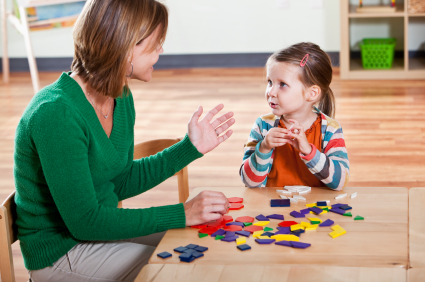 I like to share with my readers whenever anything changes or happens that I think is appropriate for you to know and recently I got a new job title, childrens therapist.
It’s funny how the universe works. Sometimes the more you try to avoid doing or dealing with something, the more you end up on a collision course to face it head on. That’s how I feel right now. I’ve been working in the field of counseling and psychology since 2006 and started off working with adults. In 2010 I started working with teenagers in an inner-city high school and absolutely loved it.
Around the same time I was offered an opportunity to work with younger kids, but cringed at the idea of doing therapy with kids who had trouble verbalizing and processing. Things such as play therapy were very foreign to me and when I started doing some in-home counseling I started seeing a few kids that were between the ages of 10 and 12. I quickly referred them out feeling both uncomfortable and unprepared to work with kids that young.
Well recently I changed jobs. I was looking to work more with clients and wanted to work with adults, but ended up landing a job as a childrens therapist within the last two weeks. I already have 10 clients, ranging from the ages of 4 to 14. A four year old! Supposedly he has ADHD, and that may be the case, but I’ve met his parents and I am sure that their parenting skills aren’t the best so maybe with some parent training they’ll learn hoow to deal with him better and help shape him so that he doesn’t get stuck with the diagnosis of ADHD if it isn’t really appropriate.
I’m also being used in the capacity of a licensed evaluator to evaluate and diagnose kids who aren’t on my case load and have been giving the responsibilty of working with all the kids that are referred to the program through the department of juvenile justice.
It’s a bit overwhelming, challenging and exciting because there is so much I have to learn so that I can help these kids and their parents, especially the younger ones that traditional talk therapy doesn’t work with.
Earlier this week I was sitting with a 10 year old girl and we were doing pretty good. We were doing traditional talk therapy and she seemed to be doing fine with it and I remember thinking, “this isn’t so bad”, but about halfway through it she asked “can we color”. I was thrown off for a second, but then laughed to myself as I remembered she was a kid and told her “yes we can color”. And so we colored, and talked and it was pretty cool!
I have my first child who just turned 6 months over the weekend and here I am being thrown into the role of a childrens therapist. It’s like the universe had this whole thing set up and sometimes that’s just the way I think life works. At the same time, it’s forcing me to get out of my comfort zone, something I am always telling clients to do and I have so much I have to learn that I feel like a student again.
I have read this great book I have talked about before called The Boy Who Was Raised As a Dog: And Other Stories From a Child Psychiatrists’ Note Book by Bruce Perry. It is a book that talks about the horrific effects of childhood trauma, some intentional, and some unintentional in the form of neglect and ignorance.
As I revisit that book, it helps me put into focus the importance of the work I can do with these children. Yes, many of them have genetic predispositions to things like ADHD and mood disorders, but a lot of them are being raised by people and in environments that are causing them to respond a certain way.
It is my job if I can, to help correct this through therapy and parent education so that these kids have the best opportunity possible to turn into healthy children and eventually successful adults.
In the book, there is one story about a boy who was being raised mostly by a mother who had some type of mental disorder so while she took care of the child, he basically stayed alone in his crib without any interaction for 6 to 8 hours a day. He learned not to cry because no one was coming to help him. He grew up with unable to have feelings for other people and as an older teen, eventually murder two girls, raped their dead bodies and then stomped on them. Even in prison he showed no remorse and blamed the girls for not allowing him to do whatever he wanted to do. He didn’t even have any regrets other than getting caught.
Some of the kids I’ve seen, the parents have already written them off as bad apples and just want them put on medication so that they don’t have to deal with them. I can see that if these kids aren’t shown love, support, guidance and limitations, they will grow up to be criminals or in the very less, incapable of having healthy relationships with anyone.
Also, they have already gave me some great blog ideas. I’ve already unfortunately diagnosed some of them with ADHD, mood disorder, anxiety disorder, conduct disorder, oppositional defiant disorder and pervasive developmental disorder.
These may just be another stop on my journey to become the best overall therapist I can be, but I am going to cherish and learn from every moment and experience and do the absolute best I can to make a difference in each childs life. I’ll keep you guys posted along the way.
Counseling Minors and Confidentiality
 Confidentiality is a crucial part of counseling. Clients have to believe that they can tell me practically anything and it won’t be repeated to anyone, including their parents.
All of my clients know that everything they tell me stays between us except:
- If they tell me they plan on killing themselves or someone else
- If they tell me that are being abused
- If I am court ordered to release information, and because I work in a school
- If they have drugs or weapons on campus.
Also, because I work primarily with juveniles, I leave a little wiggle room by saying I will also report anything “life threatening” which may not include marijuana or alcohol use, but may include intravenous drug use or meeting adults online.
Even with these rules of confidentiality, teens will still inevitably tell me things that need to be reported to their parents, the school, law enforcement or child protective services.
More often than not, the child already knows this before they tell me so they aren’t usually upset when I have to make that phone call.
The problem generally comes from parents, who may not understand confidentiality. They think that their child is in counseling and as the counselor, I should tell them any and everything their child is doing and can get testy when I have to explain to them that confidentiality doesn’t work that way and that it’s actually illegal for me to tell them any information that doesn’t fall under the exceptions above, without their child’s permission.
I understand these rules and have worked within the confines of them for many years, even when I am hearing information that I wish I could tell parents. Information I actually knew would help the situation, if the parents knew.
For instance, last year a young lady was devastated when she went to a friend’s party and got raped by him and four guys she didn’t know. She was in tears when she confided in me and after calming her down, I practically begged for her to give me the name of the guys, some who went to the same school as her, or to report it to law enforcement.I gently repeated this request each session as we processed the trauma.
I offered to go with her to make the report, but she was adamant about not telling me any identifying information. She told me that she was scared that they would come after her if she told. No amount of me trying to convince her worked and at the end of it all, I had to allow her to make that decision she will have to live with for the rest of her life.
As much as I wanted to report that crime to law enforcement and her parents, I couldn’t. I had no identifying information, she wasn’t abused by a caregiver or someone in authority and she wasn’t a danger to herself or others so my hands were tied. All I could do was try to help her get through the emotional and psychology pain she was feeling. She went through a period of deep depression and eventually transferred schools.
I have had teens who have had abortions and miscarriages without their parents ever knowing they were pregnant. Kids who have battled substance and alcohol abuse right under their parents noses.
I always strongly encourage my teenage clients to involve their parents in their treatment though family counseling, but most teenagers are hesitant to let their parents know the things they do when they are not looking, or think that their parents will just be angry, judgmental or not listen if they do open up.
I usually only do a couple of family sessions a month and those usually happen after emergencies such as suicidal thoughts, severe panic attacks that require medical attention or another extreme circumstance that causes the parents to be concerned.
That’s usually when, with the child’s permission, I feel like I can finally truly help them without restraints. Trying to help a child solve a problem that need parental involvement, when they don’t want the parent to be involved is truly handicapping.
However, this is usually also the time when parents get upset that I knew about the abortion, or the drug use, or the date rape that they didn’t know about, months sometimes even years before.
I let them know about the confidentiality regulations set by the Health Insurance Portability and Accountability Act (HIPPA) that prevented me from giving them that information, even when it was valuable information about their own child.
Most parents calm down once they realize that without the confidentiality between their child and myself, it would have been unlikely that their child would have told any trusted adult and received at the minimal, mental and emotional support as well as guidance and encouragement.
Some minors want help or at least to talk about issues in their lives that are concerning them, but will only do so if they know that their parents will not be notified. Not all parents are supportive and some parents could use the information to further cause damage to their child, knowingly or not.
Take for instance a girl I know who is scared of her father who has a past history of physical abuse against her. He’s told her that if he ever finds out she is having sex he will kick her out on the streets. Yet, she is having sex and thinks she may be pregnant. Should I risk her losing her housing in order to tell her father that she may be pregnant?
I believe breaching confidentiality, while it will give parents more information about their child, it is less likely to truly make a difference if that child just learns to hide their problem or not admit or talk about their problem anymore, resulting in them getting less help.
I definitely understand when parents are frustrated with confidentiality when it comes to their children, which is why I always encourage open communication and family therapy, but most kids I deal with would never want their parents to know their issues and unless it’s something that puts them or someone in immediate danger, my hands are usually tied pretty tight.
Shhh, Let’s Not Talk About It: How Families Are Haunted By Incest And Sexual Abuse

Nearly every person I’ve counseled who has been sexually abused was abused by a family member, not a stranger.
In families there is an unspoken trust, one that says we will support and protect each other, especially the children. Child abuse goes against that unspoken trust.
Perhaps that’s one of the reasons, on top of shame and fear, that victims of incest and child abuse often stay silent, making way for more abuse, even generational abuse, depression and addiction to flourish.
Child abuse is devastating and debilitating. It not only causes psychological and behavioral problems that can last a life time, but there is growing evidence that it also causes a number of physiological problems.
You would think that children would always be protected, but unfortunately in many families, the adults are too busy with their own issues such as financial problems and addictions to be effectively attentive to the children. Often, the adults are so happy that someone is “supervising” the kids that they are delighted when another relatively is spending time with them, not knowing that that relative may be molesting their child.
Often the victims of abuse I’ve worked with grew up in complex homes where they often weren’t paid attention to. Many of them were so hungry for attention that they mistook abuse for nurturing, which is another reason they didn’t tell anyone.
Whenever there was an opportunity for abuse and the caring adults in their lives turned away, it left opportunity for abuse to happen right under their roofs. When they were not paying attention to their child, someone else was paying too much attention to them.
Another reason victims don’t talk is because they think that they are the only one being abused and if they have younger siblings, they may not say anything as a way of protecting the younger children from the victimizer.
When there is a child molester in the family, chances are he or she is molesting more than one child and may go on to molest across generations. A lot of the child abuse victims I’ve worked with only came forward when they were either in fear that a younger relative was in danger of being molested or when they found out that their fears were true and a younger relative was being molested.
It’s rare that I talk to a victim of child sexual abuse and incest and they are the only person who has ever been abused by the victimizer. Many times this is not discovered until later in adulthood when as adults they start talking with other family members. This is when they usually realize that they weren’t the only ones being abused and the extent of the nightmare is finally revealed.
Case Example: “Catalina”
One of my adult clients, let’s call her Catalina, was a victim of childhood sexual abuse and incest. She lived under perfect conditions to be molested for years by a family member.
Her mother was an alcoholic and drug addict, her father was no where to be found. Her mother also had seven kids, all of which were eventually taken from her because she couldn’t take care of them. Catalina and her six siblings ended up with their mother’s mother, their grandmother who sounds like she was a real Mother Teresa. She had a kind heart, even took in other kids and always had a house full of relatives around including Catalina’s cousin Walter.
Walter was an adult, married with two children of his own, but he came around Catalina’s grandmother’s house often to hangout with the kids.
Walter would talk to Catalina as if she were his girlfriend, although she was his cousin and prepubescent. Catalina didn’t like it, but never told anyone. He then moved on to hugging her often, always making sure his erect penis pressed against her. Eventually he moved on to showing her his penis and rubbing it against her skin.
Again, she kept this a secret because she believed it was her fault and even thought it was somewhat normal. Thankfully, it ended there, but what Catalina didn’t know and would not know until adulthood is that while Walter was molesting and grooming her, he was already molesting and sleeping with her slightly older sister Michelle.
Michelle also didn’t tell anyone about cousin Walter, but it damaged her to the point that even when Walter stopped molesting Catalina, Michelle started molesting her.
Michelle started making Catalina touch her vagina and eventually made her perform oral sex on her. Catalina knew something wasn’t right, but didn’t tell anyone, she just did as she was told. The abuse lasted for several years, ending only when Michelle started having sex with boys.
This abuse left Catalina confused. She became hypersexual and even had thoughts of molesting her little sister on several occasions. Thankfully she never did and the molestation, at least in that house ended with her.
As a teenager she was very promiscuous and was confused about her sexuality well into adulthood. Now as an adult she is riddled with relationship and trust hangups and is terrified of having and raising children. Other than that, for the most part she has turned into a pretty well-adjusted woman.
The secrecy about the molestation allowed the initial victimizer, Walter to abuse at least two children in the same household. It is likely that he abused more and probably went on to abuse other family members for years since ’til this day no one is really talking about or confronting it.
Catalina and Michelle only recently had a heart to heart where Michelle apologized to Catalina for the abuse and explained that she was doing to her what had been done to her (Michelle) by Walter. Only then did the two realize that Walt had victimized both of them.
Some of the factors that allowed this abuse to happen besides the secrets and silence include:
- they both believed that it was there fault
- both Catalina and Michelle had been raised to believe that children were to be seen and not heard
- they both believed there were too many problems going on in the home and there was no time for another one
- they had never been talked to about sex in any capacity so the victimizer taught them what he wanted to
- as girls they were taught that they were supposed to be passive, peaceful and not cause trouble
- they were taught directly or indirectly that women are submissive
- they were also taught that what happens inside of their home stays private
- their mom always neglected them most when she had a boyfriend and they learned from her many relationships that women existed for pleasure
- they also unfortunately believed it was normal to be victimized
Catalina’s story unfortunately echoes dozens of stories I could have told from personal experience. For more information on child sexual abuse there are many great books, but I can personally recommend No Secrets, No Lies: How Black Families Can Heal from Sexual Abuse by Robin D. Stone.
If you or someone you know needs help, please contact:
Rape, Abuse and Incest National Network
1 (800) 656-4673 / www.rainn.org
If you are in immediate danger please call 911
Maslows Hierarchy of Needs And Why Some Students And Schools Are Failing
Maslow’s Hierarchy of Needs is based on Dr. Abraham Mallow’s research and hypothesis. It describes the stages we all need in order to become fully functioning and responsible adults moving towards reaching the highest possible achievements humans can accomplish.

The hierarchy is broken down into five needs:
- Self-Actualization
- Esteem
- Love/Belonging
- Safety
- Physiological
The physiological needs is all the basic needs someone needs to survive such as food, water, air, homeostasis, excretion, and health.
The safety and security needs include security of: body, resources, morality, family, health, stability and protection. At this level, all of the child’s physiological needs have been taking care of and they are interested in finding safety, such as from strangers. At this stage, a child develops a need for limits, order and structure. This is also the stage were fears and worries develop. The child may start fearing the dark, strange noises in their bedroom, or being kidnapped.
At the love and belonging level, the child needs others to love and support them, including family and friends. They need a sense of family stability in order to invest emotionally in others. If at this stage, it appears that no one loves or is stable enough to show a lasting commitment to the child, they may find it difficult to build future relationships or to even love themselves. This is also the stage where loneliness and social anxieties can develop.
At the esteem level, the child is searching for feelings of self-worth, confidence, achievement, mastery, respect of others and respect by others. One one level, they may want status, a reputation and appreciation, and on a higher level they will need respect for their self, which is believed to be more important than respect for others. This is where some sense of independence and freedom start setting in, as well as potential issues with self-esteem and inferiority.
The four levels thus far mentioned were considered by Maslow to be deficiency or instinctual needs, meaning that if a child was deficits in any of these four needs they will be highly compelled to fulfill those needs. If however, all of a child’s needs are fulfilled at this level, they are free to move on to what are considered growth needs.
The growth needs are grouped under the level of self-actualization. They include needing to know and understand. This is what develops a child’s cognitive potential and is the level schools want each child to operate on. At this level, the child is able to listen, participate actively in discussion, attune, explore their thoughts and make meaning of the world around them.
At this level, the child appreciates symmetry, order and beauty. As they continue to grow, they become a fully functioning individual able to accept responsibility for their own life. They are well on their way to achieving their full potential and becoming the person they were meant to be. In the educational system, this is the main goal, to help children develop this part of their selves and nurture further growth in these areas.
The problem is, while schools in good areas with students from good neighborhoods usually function at this level, this is not the reality for many inner-city and impoverished students and communities. At good schools, students usually have had all of their four basic needs have met, while at poor, under-performing schools, many students haven’t had their basic needs completely met.
Often times the failing of many inner-city schools and students is blamed on teachers, when this is not always the case. I’ve been working in inner-city schools long enough to know that the teachers that work there are usually some of the most dedicated, educated and caring professionals you could ever hope for, but students still fail in large numbers.
When you look at the students, especially when you get to know them, you can see why failing schools are not always about teachers or the administration, but about the four basic needs that are not being fully met. These four basic needs have to be fully met in order for a child to even begin to truly gain benefits from being in school and a standardized educational system.
Many of these kids come to school starving or hopped up on foods that are full of sugar, but lack nourishment. They live in inconsistent homes and frequently either move or are bounced between relatives, and many live in dangerous environments from the home itself to the surrounding neighborhood. How then can we expect them to free their minds and focus on school when their basic needs aren’t even met?
Imagine a student starving becasue they didn’t get enough to eat the night before and didn’t get breakfast, yet they are supposed to focus and concentrate on an exam. When they do poorly, they are considered either a bad test taker, or the teacher is accused of being an inadequate educator.
Many of the kids in the inner-city high school I work at are simply surviving. They are trying not to get shot, attacked by people in their neighborhoods, kicked out of their home or help their parent pay the rent anyway they can.
One girl I spoke to came to school everyday with a knife because many girls in her neighborhood had been attacked by men and she was terrified she would get kidnapped, raped and killed walking home from school. It’s easy to think that this should motivate her to do well in school so she can get herself out of this type of neighborhood, but because her basic needs aren’t being met, she’s hyper-vigilante and anxious throughout the day with her mind pretty much on any and everything else except education.
I feel the frustration myself many times when I am trying to give a client the information and skills needed to overcome obstacles put in their way either by themselves or someone else, and they can’t truly grasp, let alone use the tools I am giving them because their basic needs haven’t been met and they are still stuck and starving for esteem, love and belonging, safety or physiological needs. I have to realize that much of what I am saying may be lost until they are able to attune and function on the higher levels of self-actualization.
Students and schools in these inner-city neighborhoods are compared to and expected to perform as well as students from schools and communities where their every basic needs are already met and they are free to focus on to the higher levels of self-actualization.
This is not to say that students can’t achieve some level of self-actualization although their basic needs aren’t fully met. I see that everyday, levels of extreme resilience where a homeless student who’s parents are in and out of jail is excelling in school, yet this is rare and one could only imagine how much more that student would be able to achieve if their basic needs were met and they were free to focus more energy on self-actualization, morality, creativity, spontaneity, problem solving, etc.
These inner-city schools are usually the ones that need funding the most, but because they are often under-performing, they usually lose funding. This is something I never understood. “Failing” schools lose funding and “A” schools get more money. When funding is cut, social workers, counselors and psychologist are usually the first to be let go, even though they are the ones in the trenches helping these children work through their deficiency needs.
This goes to show that many people, especially those higher up who make the big decisions on education and legislation, are clueless about the realities facing many school children in our country. It becomes far too easy to blame failing students and schools on teachers and administrations, who are often working harder and under difficult situations compared to teachers from better performing schools with better funding and support.
To effectively make changes, it’s not about moving under-performing students to better performing schools, or putting different, “better” teachers and administration in under-performing schools, but investing more in rebuilding poorer neighborhoods and families with psychological, social, emotional and educational supports. This of course takes more work and takes longer, but I truly believe the benefits are far more reaching and lasting.
Childhood PTSD AND Trauma: Part 1
 Imagine a four-year-old child found covered in blood, lying over her mother’s naked, dead body, whimpering incoherently. She’s witnessed her mother being raped and murdered, and her own throat had been cut, twice in an attempt to leave behind no witnesses. She’s alone with her mother for approximately eleven hours before she is discovered.
After being hospitalized she is released as a ward of the state and put into foster care with no follow up treatment for the trauma she experienced.
How will she go on through life with those images etched in her mind? How will she survive psychologically? How will her mind protect her from such traumatic experiences?
This story is unfortunately a very true story, one of several stories of childhood trauma that can be found in the book, The Boy Who Was Raised As A Dog by Bruce Perry and Maia Szalavaitz.
Tragedies like this occur across our nation and the world everyday, leaving behind sometimes physical, but always emotional and psychological scars.
Post Traumatic Stress Disorder is a condition that 30 or so years ago was reserved only for soldiers who had experienced traumatic events at war. It was later recognized that rape survivors, people who had been through terrible accidents or natural disaster, also exhibited symptoms of PTSD including flashback, hyper-vigilance and avoidance behaviors.
When it came to children however, the mental health and medical fields were slow to realize the impact of trauma on their lives.
Children were thought to be naturally resilient and would “bounce back” without the aid of any type of support or treatment. Those same children who had experienced trauma would often later develop psychiatric problems, depression and attention issues that would sometimes led to medication.
We know now that children who have live through tragedies, are just as affected as adults, perhaps even more so. This is evident in the great way the mental health community around the nation responded to the Sandy Hook Elementary School tragedy.
What Causes PTSD?
PTSD can occur in anyone who has lived through an event in which they could have been killed or severely hurt or where they witnessed someone else getting killed or severely hurt. These can include violent crimes, physical or sexual abuse, someone close to them committing suicide, car crashes, shootings, war and natural disasters just to name a few.
Approximately 40% of children by the age of 18 will experience a traumatic event, which includes the loss of a parent or sibling and domestic violence. In the United States, child protective services receives an estimated 3 million reports of abuse and neglect yearly, involving approximately 5.5 million kids. About 30% of all those cases show proof of abuse:
- 65% neglect
- 18% physical abuse
- 10% sexual abuse
- 7% psychological (mental) abuse
This of course doesn’t include the estimate 66% of child abuse cases that are never reported.
The Likely Hood Of PTSD Developing
Girls are more likely than boys to develop PTSD symptoms. Approximately 3-15% of girls and 1-6% of boys who experience a trauma will develop PTSD. The chances of developing PTSD are higher depending on the type of trauma experienced. Some of the risk factors for PTSD include:
- How severe the trauma was
- How the parents react to the trauma
- How close or far away that child is from the trauma
Of course children who go through the most severe traumas have the highest level and severity of PTSD symptoms. Incidents where people are hurting other people such as assault and rape, tend to result in PTSD more frequently. Children who have healthy support systems tend to have less severe symptoms.
The age of the child during the traumatic experience doesn’t seem to effect rather PTSD symptoms will develop, however PTSD looks different in children of different ages.
What Does PTSD Look Like In Children Ages 5-12?
- children may not have flashbacks or problems remembering parts of the trauma like adults with PTSD often do.
- Children might, however put the events of the trauma in the wrong order.
- They might also think there were signs that the trauma was going to happen and thus they think that they will see these signs again before another trauma happens.
- They think that if they pay attention, they can avoid future traumas which can lead to hyper-vigilance.
Children around this age may also show signs of PTSD during their play. They may keep reenacting part of the trauma. For instance, a child who has seen a shooting may want to play video games involving shootings or carry a gun to school.
Teens (ages 12-18)
In teens, some of the PTSD symptoms may be similar to those of adults including flashbacks, reoccurring nightmares about the event, hyper-vigilance and exaggerated startle responses. Teens are more likely than children or adults to show aggressive and impulsive behavior.
What are the other effects of trauma on children?
Other effects of trauma on children from PTSD comes from research done with children who have been through sexual abuse. They include:
- fear
- worry
- sadness
- anger
- feeling alone and apart from others
- feeling as if people are looking down on them
- low self-worth
- not being able to trust others
- undesired behaviors such as aggression, out-of-place sexual behavior, self-harm, and abuse of drugs or alcohol
For many children, PTSD symptoms go away on their own after a few months. Yet some children show symptoms for years and possibly a lifetime if they do not get treatment.
How Is PTSD Treated In Children?
For some children, the symptoms of PTSD will go away on their own with healthy supports and when they aren’t being re-traumatized by anxious parents or the media. For others, they may need professional help including:
- Cognitive-Behavioral Therapy such as Trauma-Focused Cognitive Behavioral Therapy
- Psychological first aid/crisis management
- Eye movement desensitization and reprocessing (EMDR)
- Play therapy
- Special treatments may be necessary for children who show out-of-place sexual behaviors, extreme behavior problems, or problems with drugs or alcohol.
What Can You Do To Help?
Educated yourself on PTSD and pay attention to your child for signs such as anger, avoidance of certain places and people, problems with friends, academic changes and sleep problems. If you need professional help, find a therapist in your area that treats PTSD and that your child feels comfortable with. Where to Get Help .
Sources: The National Center for PTSD
The School To Prison Pipeline

The school-to-prison pipeline is a widespread pattern across the United States that pushes students, particularly disadvantaged students, out of schools and into the criminal justice system.
This is largely due to public institutions not properly addressing the needs of individual students who may need extra help educationally and socially. This is often because of financial and staffing shortages.
This results in students being poorly educated, dropping out or getting kicked out of school, often resulting in arrests that develop into a cycle of continued arrests and crime which plaque not only that individual, but their community and ultimately, our society as a whole.
Hundreds Of Thousands Of Students Arrested At School Yearly
Each year across the nation, thousands of students are handcuffed in front of their classmates and taken to jail for behavioral problems that used to just result in a student being sent to the principal’s office or suspended.
A large majority of the students being arrested aren’t committing criminal acts, but displaying bad behavior. They are being arrested for misdemeanors such as “disorderly conduct”, which includes infractions such as refusing to give up their cellphone in schools with no cellphone policies and classroom disruptions. A relatively small percentage are arrests for weapons charges.
I personally have seen students arrested who had been suspended or put into an alternative school program, but came back to school either thinking their suspension was up or without truly understanding the terms and conditions of their suspension. Granted, when asked to leave campus these kids were defiant and thus arrested for trespassing, and while some were given warnings to leave campus, others weren’t given a warning at all and were simply arrested in front of their classmates.
There are definitely times and instances when students need to be arrested and detained for their own safety and/or the safety of others, but I think far too often, students are needlessly being arrested, taken down to the juvenile detention center and exposed to the criminal justice system.
An arrest record can stay with these students for the rest of their lives, even when the charges are dropped. When applying for jobs or to colleges and asked, “Have you ever been arrested”, they will will have to check “yes”.
Last week I watched as a group of girls had a verbal altercation on campus, that looked like it may erupt into something physical. As far as I could see, no one was physically being assaulted, but one of the school resource officers responding to the disruption, grabbed a girl, threw her to the ground and placed handcuffs on her. Despite everyone screaming that she wasn’t doing anything wrong, she was still detained. I believe she was eventually released to the custody of her parents and suspended, but it was obvious by the look on her face and everyone around her, that it was a traumatizing experience.
Not only is being arrested traumatizing and embarrassing, it interrupts a students educational process and can create distrust in the school system and the law. I think far too often, arrests are made in cases such as a petty fight, minor vandalism, trespassing and minor theft, things that used to send a kid home for ten days, but now may get them arrested. I’ve even seen students tazed by officers during school fights, when they used to be broken up by teachers.
Granted, often students who get arrested have ignored warnings and instructions given by the police officer.
I wouldn’t dare want to interfere with law enforcement’s ability to do their job, especially in light of the Sandy Hook shootings, but when police officers are on campus, the number of student arrests for minor infractions increases, many of which seem petty and unproductive.
For example, here in Florida a teen was arrested for trespassing because during her suspension she returned to school to take her final exams, and students involved in fights are often charged with battery against each other.
Disabled and Black Students Are Disproportionately Arrested
Students with various disabilities and black students are arrested more compared to their percentage of the student population. Even in schools for students with severe emotional problems, students are getting arrested for things like hitting, kicking and throwing objects, behavior that seems more related to their disabilities than to criminal acts.
While black students are more likely to be arrested than white students, it’s not because black students are misbehaving more, but historically and presently they seem to be punished more severely for less serious infractions, according to a study done by The Equity Project at Indiana University. Black males tend to be arrested more for “disorderly conduct” while white males are more likely to be arrested for drug charges. Black students are also more likely to have their cases dismissed than white students.
We can’t criminalize children for being and acting like children. Most of the students who get arrested already have had discipline or absenteeism problems before the arrest and could have benefited from an in school psychologically based program, such as the one I work for. It helps students with anger, academic, emotional, substance and behavior problems, and we even advocate for them during times when they are on the verge of getting arrested or expelled.
Unfortunately, many schools don’t have this type of program, nor the funds and staff to conduct the social services needed.
 Licensed Mental Health Counselor